


BMW E30 3 Series: The Ultimate Guide to the Classic Icon
Explore the history, specifications, buying tips, and tuning culture of the legendary second-generation BMW 3 Series.
History & Legacy of the BMW E30
The BMW E30, produced from 1982 to 1994, is the second generation of the BMW 3 Series and is widely regarded as one of the most iconic compact executive cars ever built. It succeeded the E21 and laid the foundation for BMW's reputation for driving precision and balanced chassis dynamics. The E30 was a massive commercial success, with over 2.5 million units produced worldwide, and it established the 3 Series as a distinct and desirable model line.
Its design, led by Claus Luthe, was an evolution of the E21 but with a more refined and timeless aesthetic. The E30 introduced several firsts for the 3 Series, including a four-door sedan body style, a wagon (Touring), and a factory-built convertible. It was also the first 3 Series to offer all-wheel drive (325iX) and a diesel engine. The E30's combination of rear-wheel drive, near 50/50 weight distribution, and responsive steering created an engaging driving experience that is still celebrated today.
Technical Specifications Overview
| Model (Example) | Engine | Power | Transmission | Layout |
|---|---|---|---|---|
| 318i (Late) | 1.8L M40B18 I4 | 113 HP / 85 kW | 5-speed Manual / 4-speed Auto | Rear-Wheel Drive |
| 325i | 2.5L M20B25 I6 | 168 HP / 125 kW | 5-speed Manual / 4-speed Auto | Rear-Wheel Drive |
| M3 (E30) | 2.3L S14 I4 | 192-238 HP | 5-speed Getrag Manual | Rear-Wheel Drive |
| 325iX | 2.5L M20B25 I6 | 168 HP / 125 kW | 5-speed Manual | All-Wheel Drive |
Key dimensions for the E30 sedan include a wheelbase of 2570 mm (101.2 inches), a length of approximately 4325 mm (170.3 inches), and a curb weight ranging from 1080 kg to 1200 kg (2380 lbs to 2650 lbs).
Notable Model Variants
- E30 M3: The first M3, built as a homologation special for Group A touring car racing. It featured a high-revving S14 four-cylinder engine, wider fenders, and a radically redesigned suspension, becoming one of the most successful touring cars in history.
- 325iS / 318iS: Sport-oriented models that featured upgraded suspension, limited-slip differentials, and sportier interiors. The 318iS, in particular, is highly sought after for its high-revving M42 twin-cam engine.
- 325iX: The first all-wheel-drive BMW 3 Series, offering improved traction in adverse weather conditions.
- Touring (Wagon): The first 3 Series wagon, praised for blending practicality with the E30's signature driving dynamics.
- Convertible: Available as both a factory model and a conversion by Baur, the convertible offered open-air motoring with E30 charm.
Buying Guide: What to Look For
Purchasing an E30 today requires careful inspection due to its age. Here are key considerations:
Pros & Cons
- Pros: Timeless design, engaging driving dynamics, strong enthusiast community, robust aftermarket parts support, potential for appreciation.
- Cons: Pervasive rust issues, aging electrical systems, worn suspension bushings, rising prices for clean examples, high maintenance costs if neglected.
Inspection Checklist
- Rust: Thoroughly inspect the front strut towers, rocker panels, floor pans, spare tire well, and battery tray. Rust is the single biggest killer of E30s.
- Engine Condition: Check for oil leaks, coolant contamination, and signs of overheating. M20 six-cylinder engines can crack the cylinder head if overheated.
- Suspension & Bushings: Worn bushings will make the handling feel vague and sloppy. Listen for clunks over bumps.
- Service History: A car with documented maintenance records is always preferable and can command a higher price.
Market Pricing
Prices for E30s have risen significantly. Standard models like the 318i or 325i can range from $5,000 to $15,000 for good examples, while rare models like the 318iS or 325iS command premiums. E30 M3 values have skyrocketed, with clean examples often exceeding $100,000.
Tuning, Accessories & Aftermarket Support
The E30 has a massive global tuning scene. Popular modifications include:
- Engine Swaps: Common swaps include the BMW S50/S52 (E36 M3), M50/M52 (E36 3 Series), and even V8s. The "24V Swap" from the later six-cylinder engines is a popular upgrade.
- Suspension: Coilovers, upgraded sway bars, and polyurethane bushings are common to improve handling.
- Wheels & Brakes: Upgrading to later BMW five-lug hubs allows for a wider selection of modern BMW wheels. Big brake kits from newer models are also a popular safety upgrade.
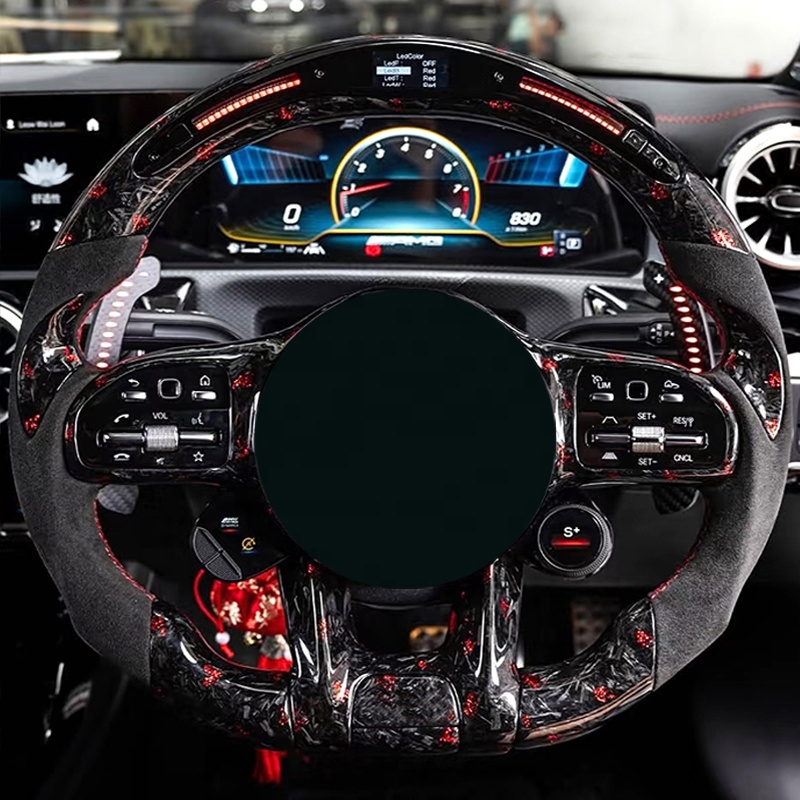
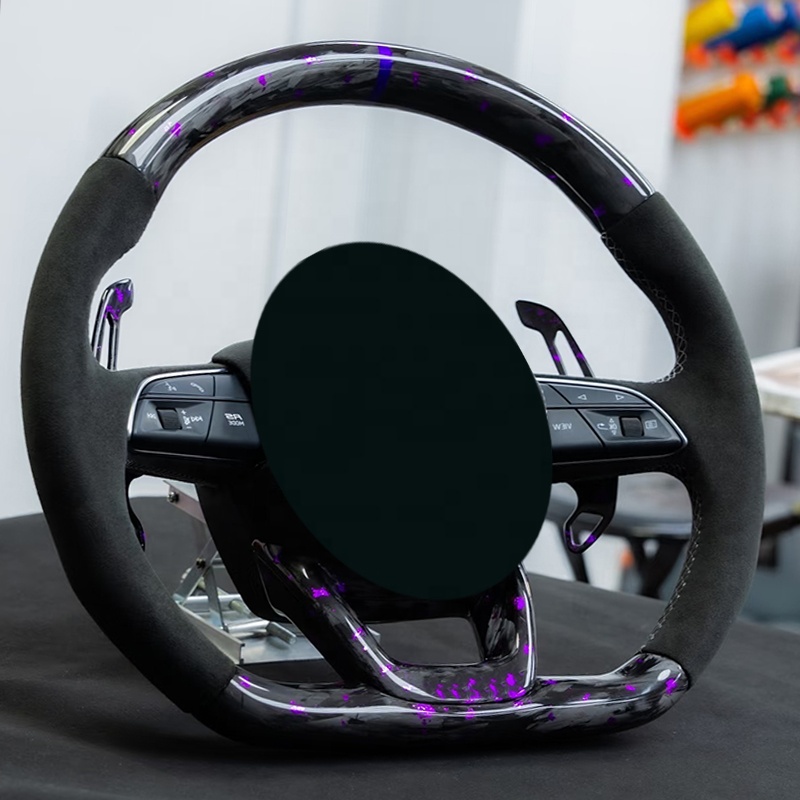
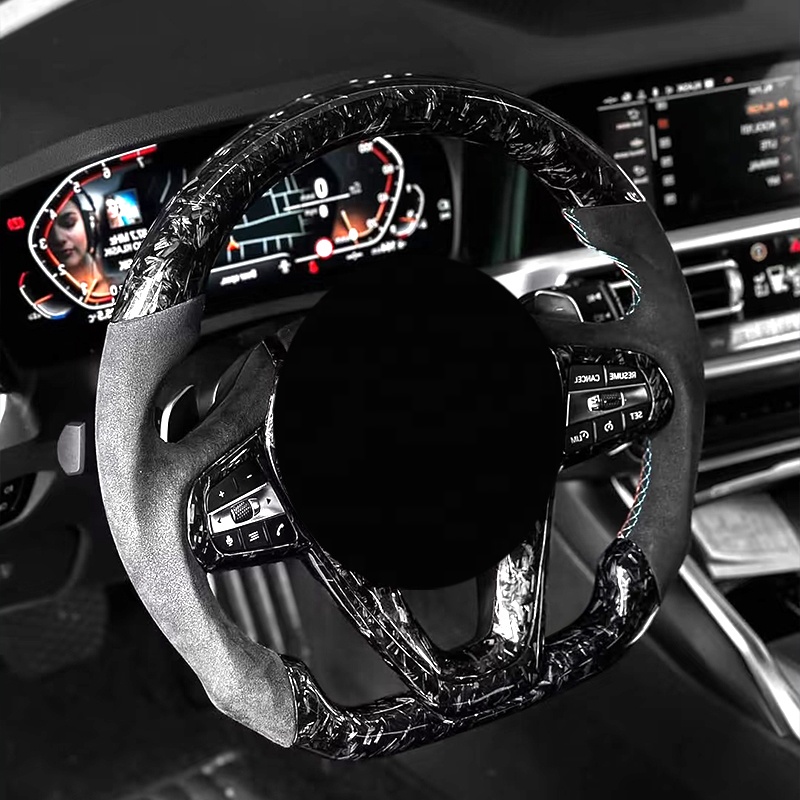
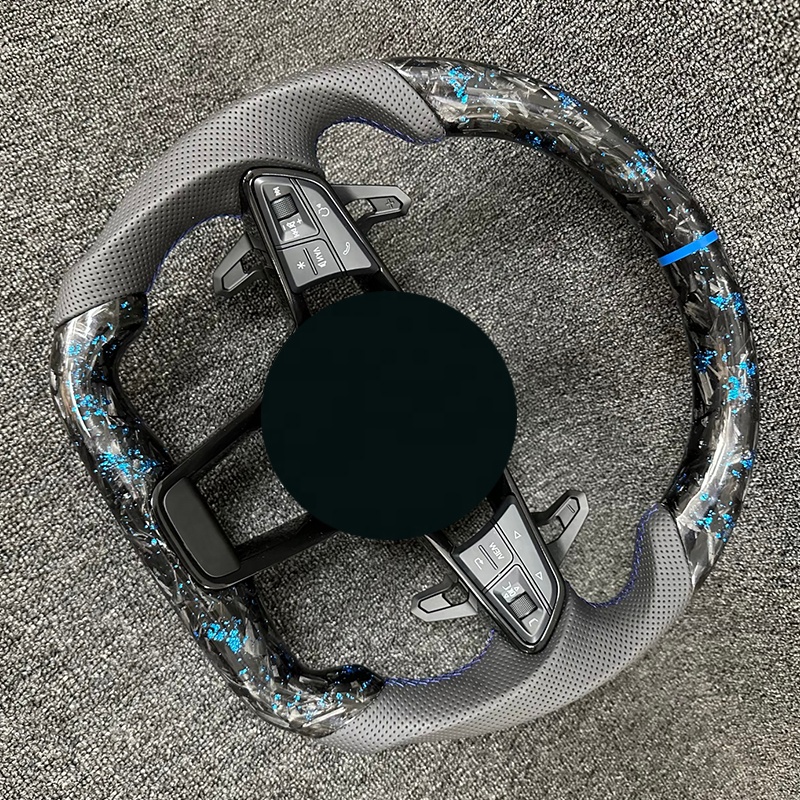
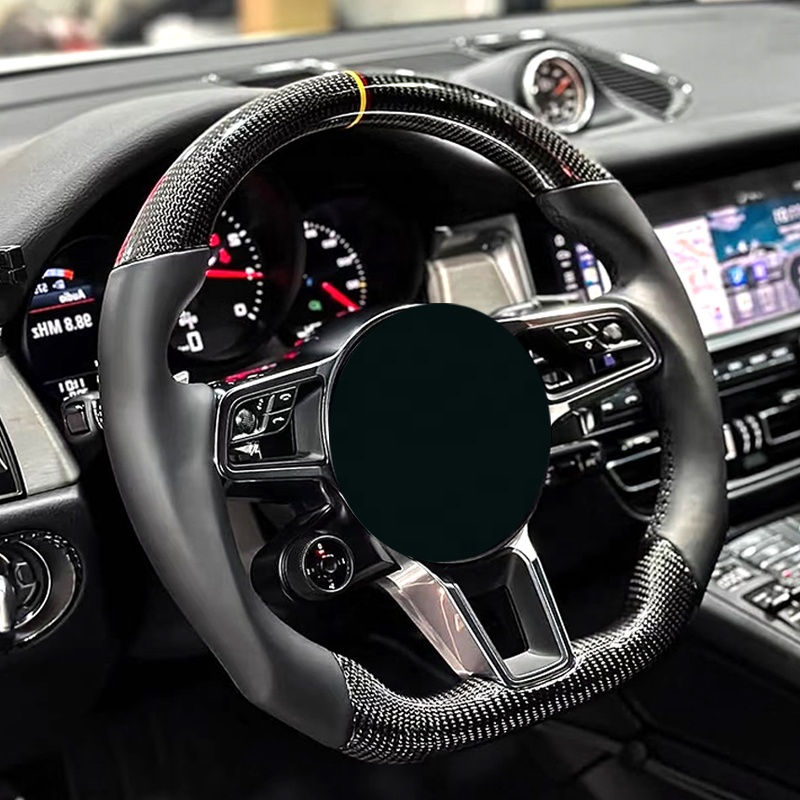
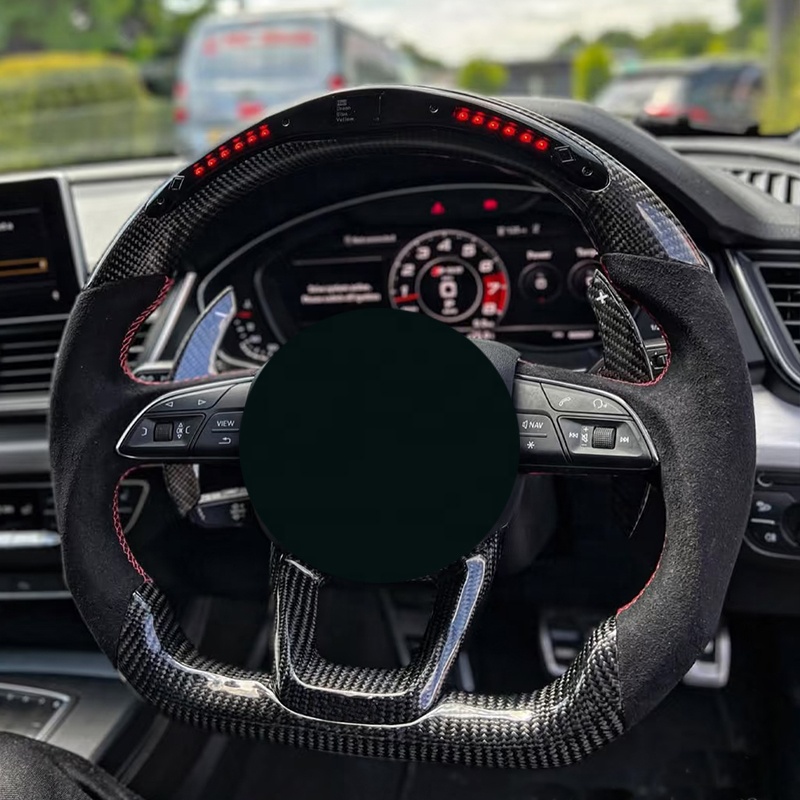
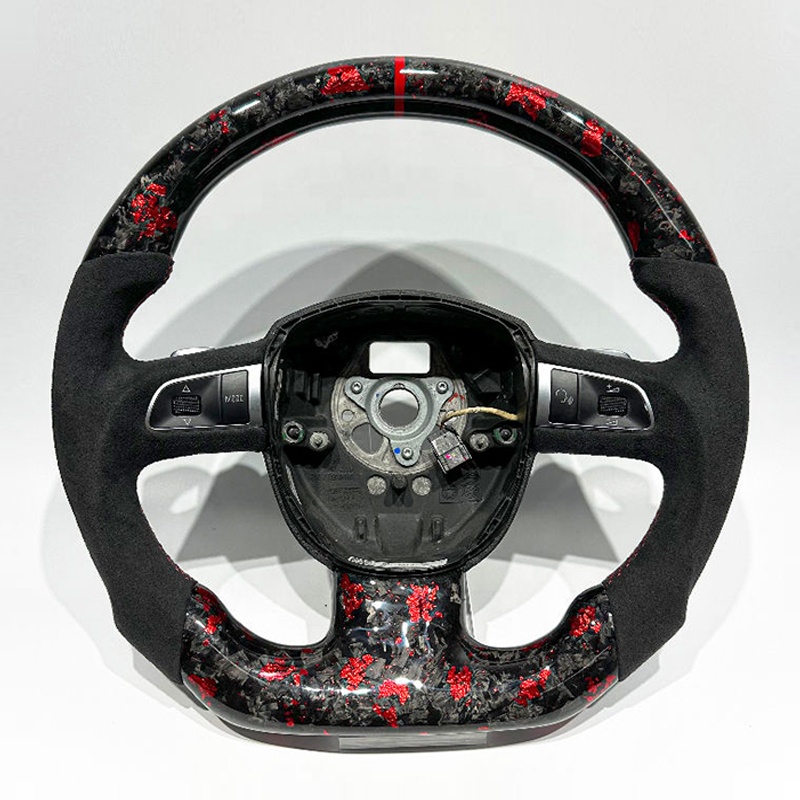
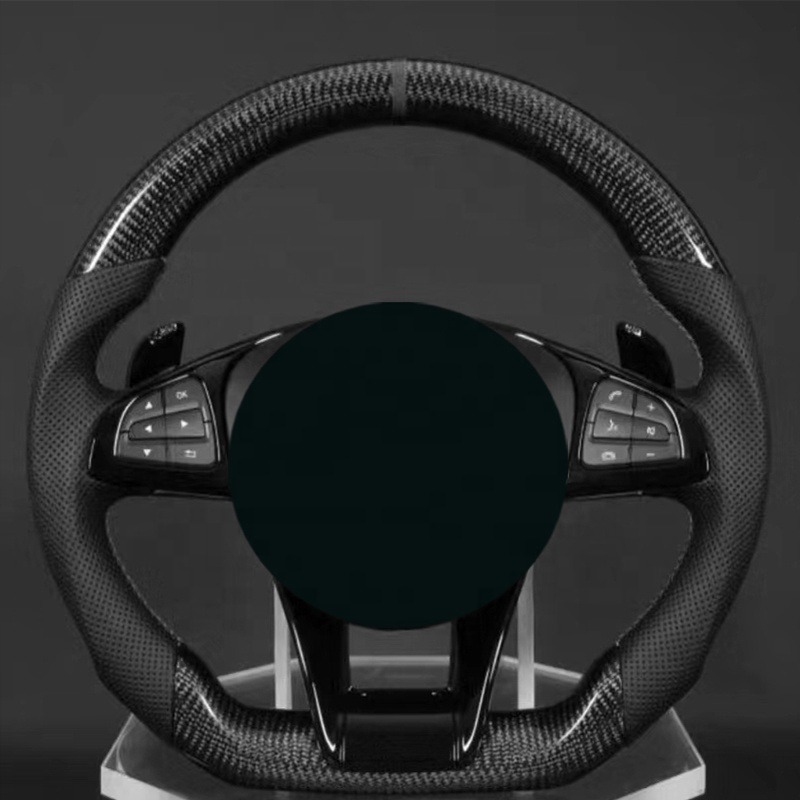
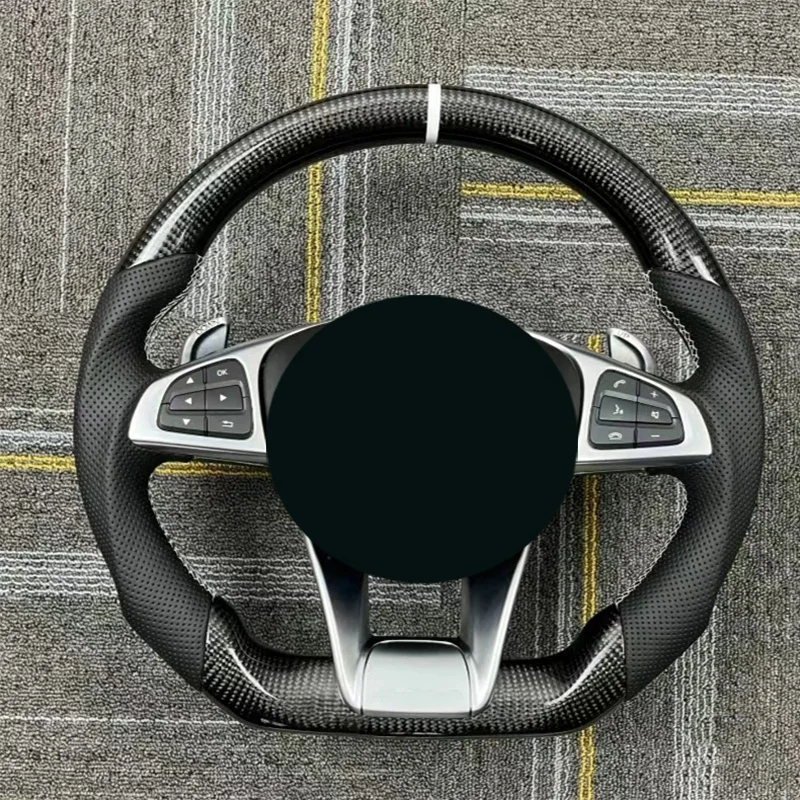
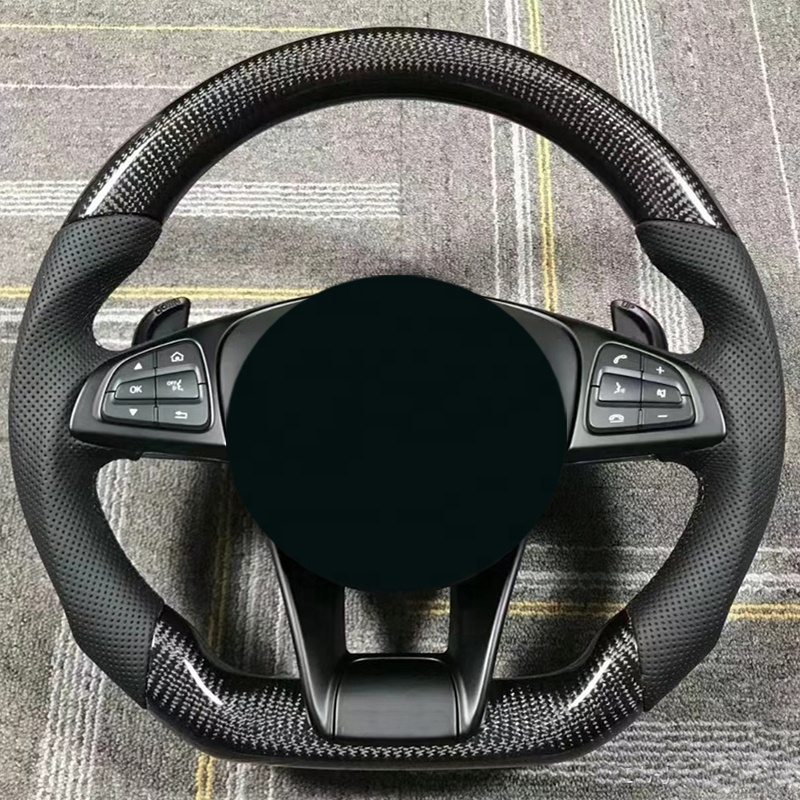
- Interior: Popular accessories include carbon fiber steering wheels, sport bucket seats, and modern audio system retrofits.
Community, Culture & Resources
The E30 has a passionate and dedicated community. Online forums are invaluable resources for technical advice and parts sourcing.
Popular Online Communities
- R3VLimited: One of the largest and most active E30-specific forums.
- E30Zone: A UK-based forum with an extensive wiki and technical guides.
- Bimmerforums: A general BMW forum with a large E30 subsection.
- Facebook Groups: Many local and international E30 groups for buying, selling, and sharing knowledge.
Common Search Expansion Terms
Enthusiasts often search for terms related to specific models, maintenance, and performance:
- Model Specific: E30 M3 Evo, E30 Touring, E30 325ix, E30 318is, E30 Convertible, E30 Alpina.
- Maintenance & Repair: E30 timing belt replacement, E30 rust repair, E30 cooling system overhaul, E30 suspension rebuild, E30 wiring diagrams.
- Performance & Tuning: E30 turbo kit, E30 LS swap, E30 coilovers, E30 brake upgrade, E30 engine swap kit, E30 carbon fiber parts.
- General Interest: E30 for sale, E30 buyer's guide, E30 restoration, E30 vs E36, E30 DTM, E30 drift build.
Disclaimer: This is an informational guide. Always verify technical details and consult with professional mechanics before purchasing or modifying a vehicle.