
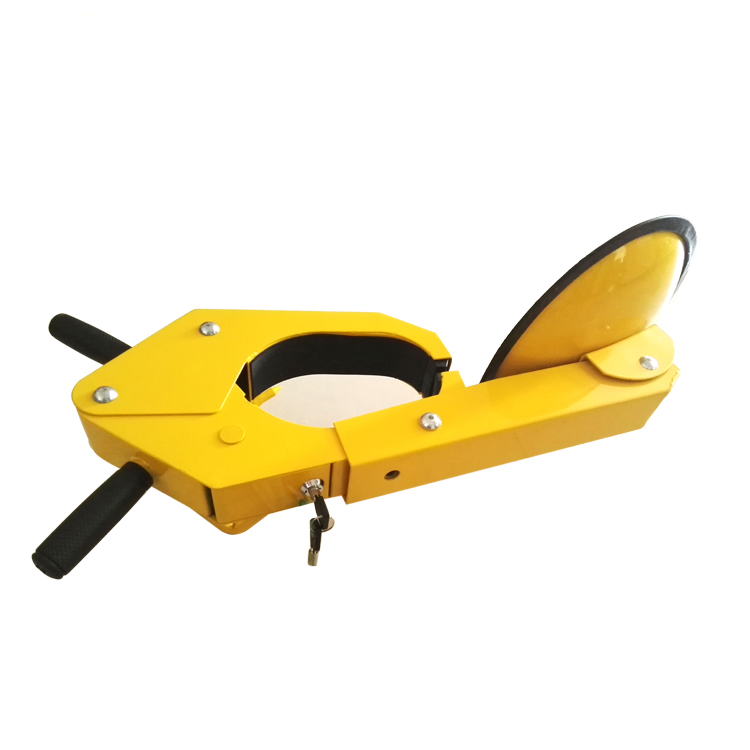


1. T-Bar Locks
Named after its 'T' shape, this is one of the most common types. It clamps onto the top of the steering wheel (12 o'clock position) and extends over the dashboard. It's easy to fit and highly visible.

|
Beijing Wistron Technology LimitedCompany member第1年
资料未认证


|
||||||||||||||||||||||||

Last Updated: March 1, 2026
A steering wheel lock, also known as a crook lock or club lock, is a visible anti-theft device that immobilizes the steering wheel of a car. It is a physical, mechanical deterrent that has seen a resurgence in popularity due to the rise in keyless car theft (relay attacks). Unlike built-in electronic immobilizers, these locks require a unique key to be removed, making it extremely difficult for thieves to drive the vehicle away even if they manage to start the engine.
The principle is simple: the device locks onto the steering wheel, preventing it from turning more than a few degrees in either direction. When properly installed, the lock's arm or body will contact the car's A-pillar, dashboard, or windshield, making steering impossible. This serves two purposes:
Named after its 'T' shape, this is one of the most common types. It clamps onto the top of the steering wheel (12 o'clock position) and extends over the dashboard. It's easy to fit and highly visible.
This design features two adjustable hooks that clamp onto the steering wheel rim. It offers a more secure fit than a single bar and is often adjustable to fit a wider range of steering wheel sizes.
This type offers the highest level of security by encasing the entire steering wheel in a hardened steel shell. It protects not only the wheel but also the airbag and steering column from attack. While more cumbersome, it is significantly harder for thieves to defeat.
These locks physically connect the steering wheel to the brake pedal, immobilizing both. This adds an extra layer of security but can be bulkier and more time-consuming to install.
Similar to a bicycle lock, a steel cable wraps around the steering wheel and secures to an anchor point like the seatbelt clasp. They are compact and easy to store but offer less resistance to bolt cutters.
When investing in security, brand reputation matters. Look for brands that have undergone independent testing and certification.
Professional reviews from automotive security experts are invaluable. Publications like What Car? conduct real-world tests to evaluate effectiveness, ease of use, and resistance to attacks. Consumer reviews on platforms like Amazon can also provide insight into long-term durability and real-world performance. The key security standard to look for is the Sold Secure rating, which is the benchmark for vehicle security products in the UK and is recognized globally.
Reputable manufacturers typically offer a warranty period, commonly ranging from 6 months to 2 years. Some high-end brands may offer extended warranties or even insurance-backed guarantees that pay out a certain amount if your car is stolen with the lock fitted. Always check the warranty terms and conditions. If you lose your keys, contact the manufacturer immediately; some may be able to provide replacements based on a key code.
To help you find more information or compare products, here is a list of frequently searched terms related to car steering wheel locks:
Disclaimer: This guide is for informational purposes only. Always follow the manufacturer's instructions for your specific product. Vehicle security is multi-layered; a steering wheel lock should be used in conjunction with other security measures.
© 2026 Automotive Security Hub. All rights reserved.
|
|
|
|
|
|
|