




The Ultimate Guide to Car Key Cases: Protection, Style, and Security
Your car key is an essential part of your daily life, and protecting it is crucial. A car key case (or key fob cover) is more than just a decorative accessory; it's a practical investment that safeguards your key from damage, enhances its appearance, and can even prevent high-tech car theft.
What is a Car Key Case?
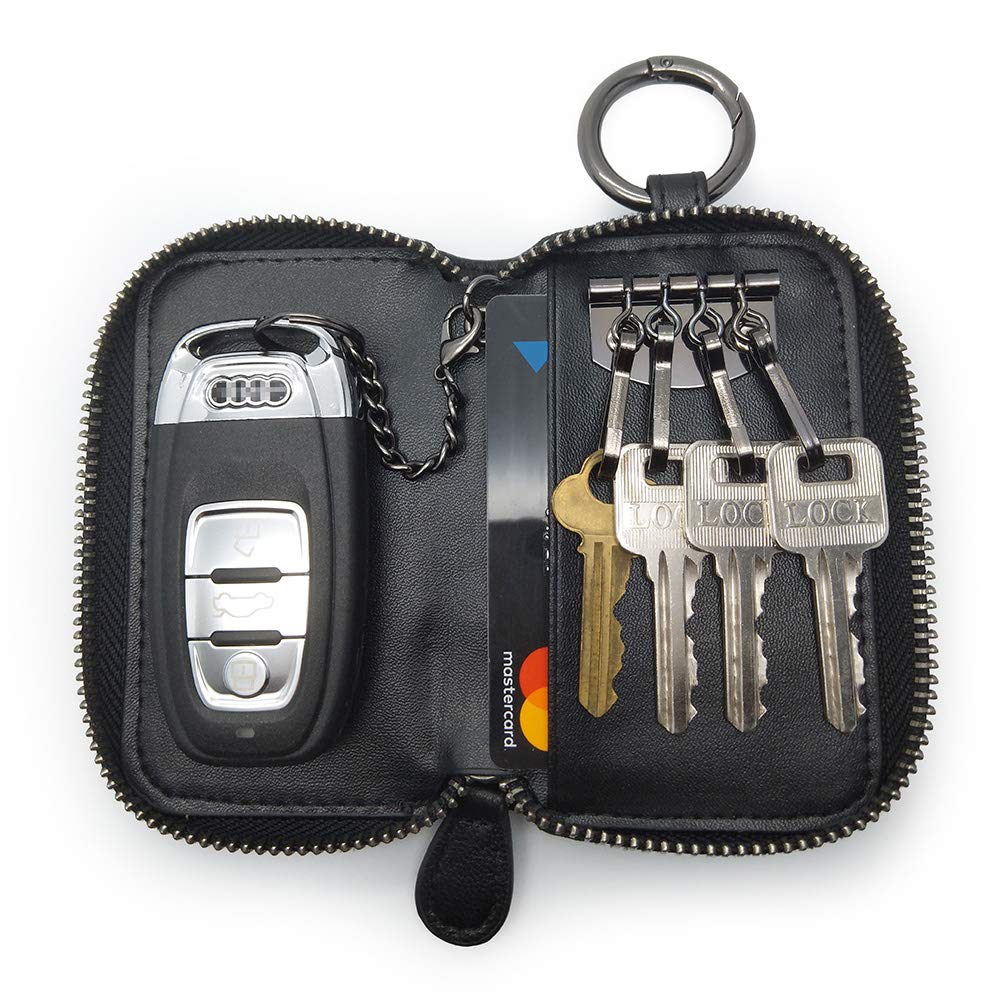
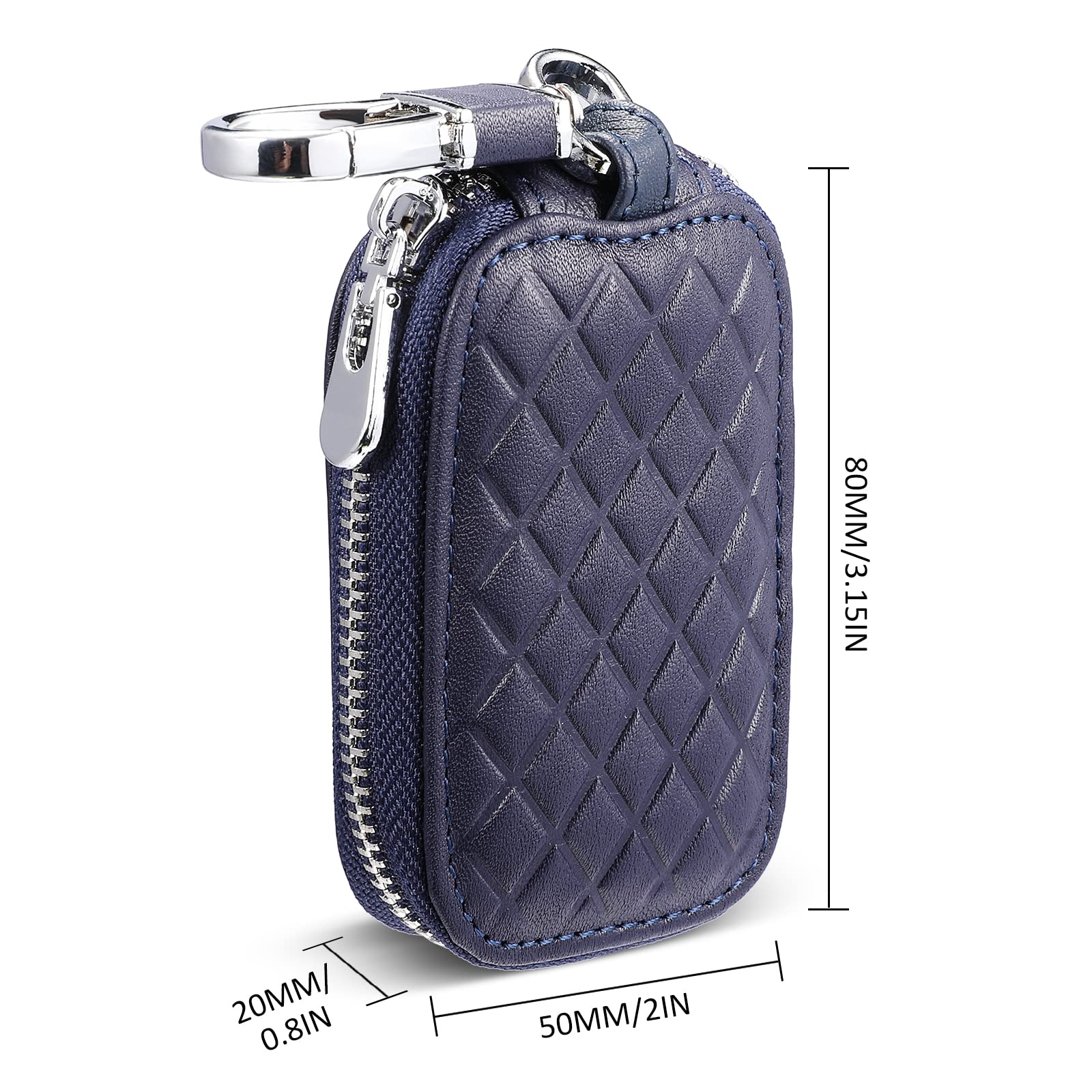
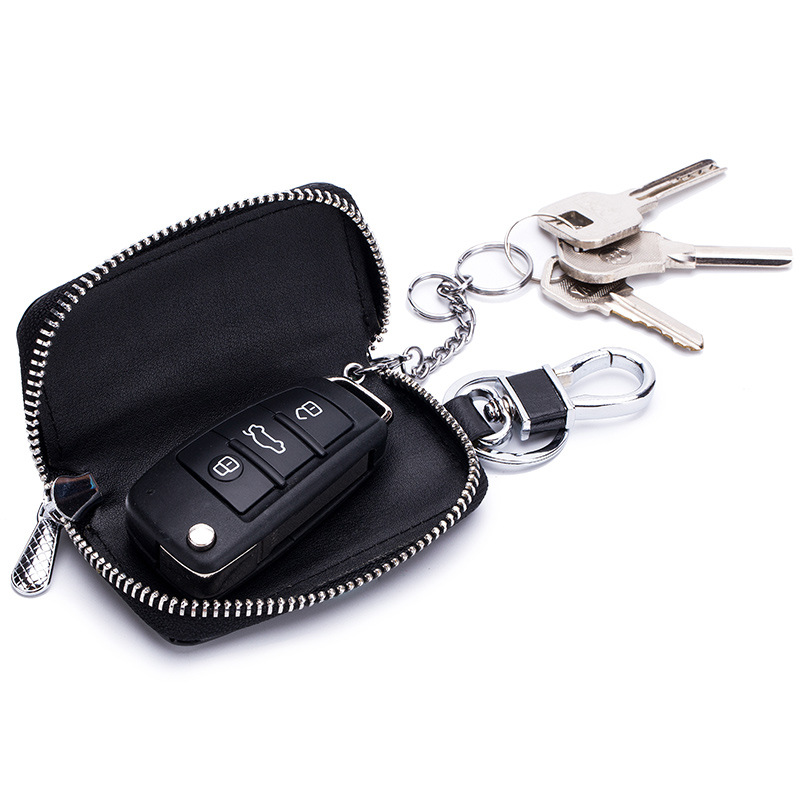
A car key case is a protective shell or pouch specifically designed to encase your vehicle's key fob. Modern key fobs, especially for keyless entry systems, contain delicate electronic components that are susceptible to damage from drops, scratches, moisture, and everyday wear and tear. Key cases are custom-molded to fit specific car makes and models, ensuring precise cutouts for buttons and keyholes while providing a layer of defense against physical damage and signal theft.
Key Benefits & Functions
- Physical Protection: Shields the key fob from scratches, dents, and impacts if dropped. It also helps prevent dust and moisture from entering the key's casing, which could damage internal circuits.
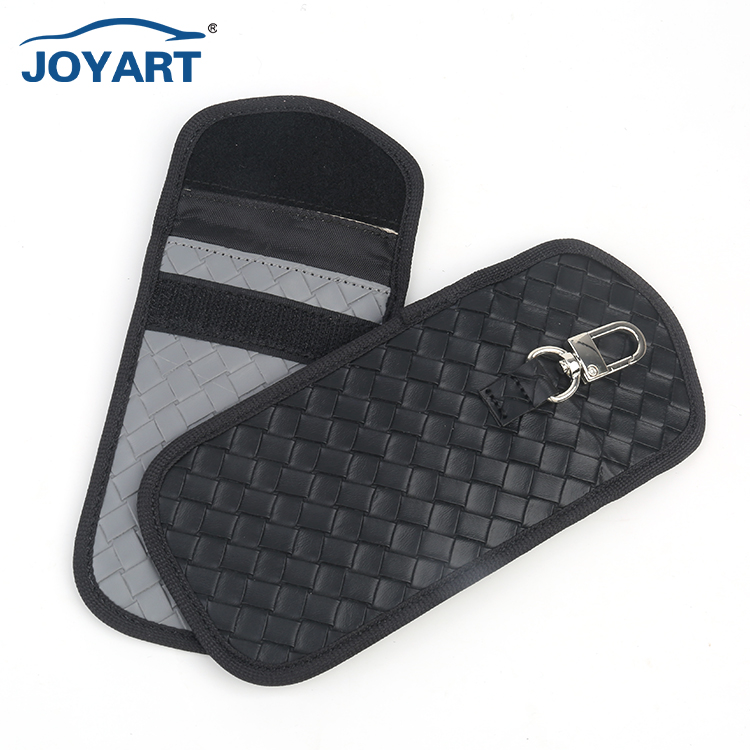
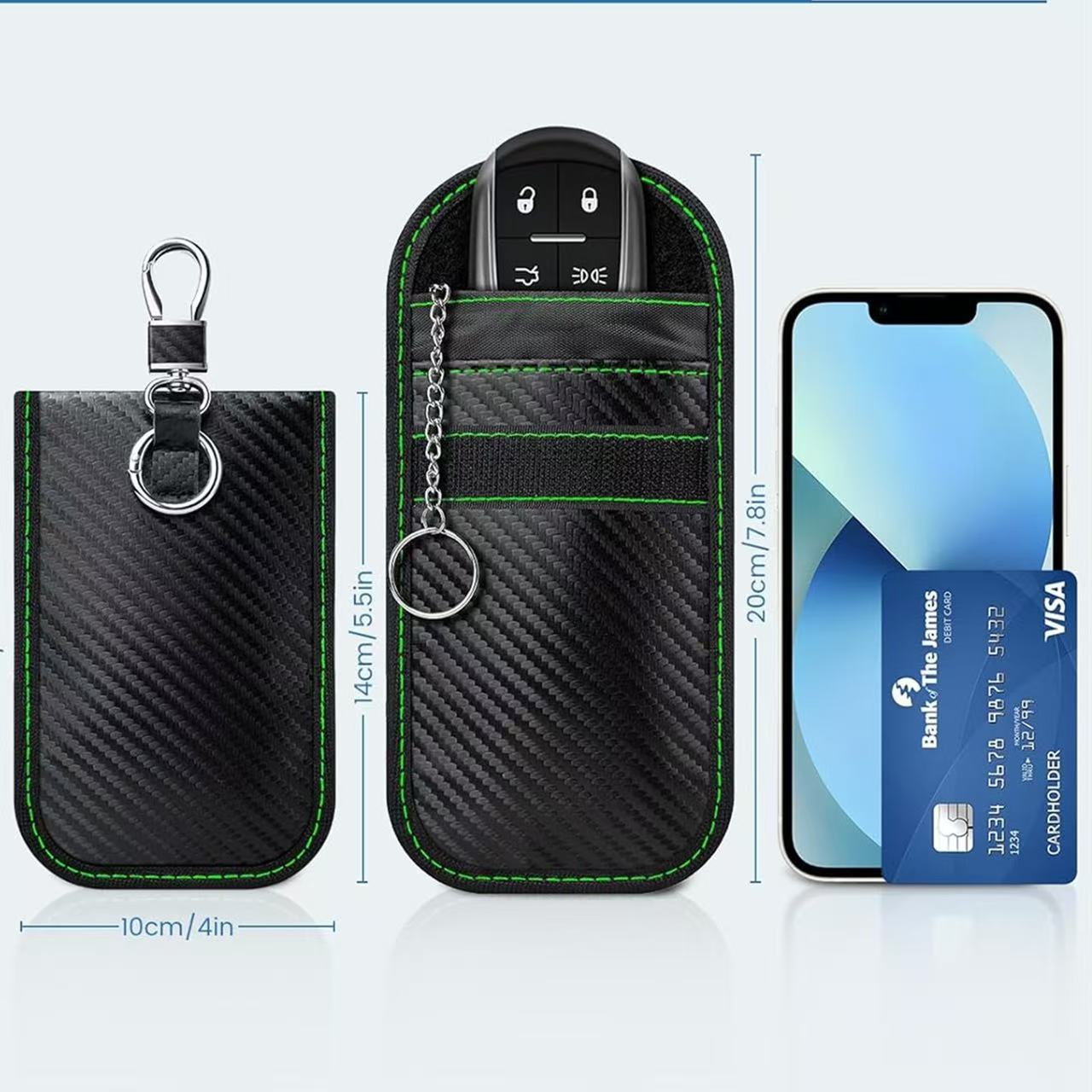
- Enhanced Security (RFID Blocking): For keyless entry systems, thieves can use signal amplifiers to unlock and start your car. Specialized Faraday key cases (or pouches) block these radio signals, acting as a portable Faraday cage to prevent relay attacks.
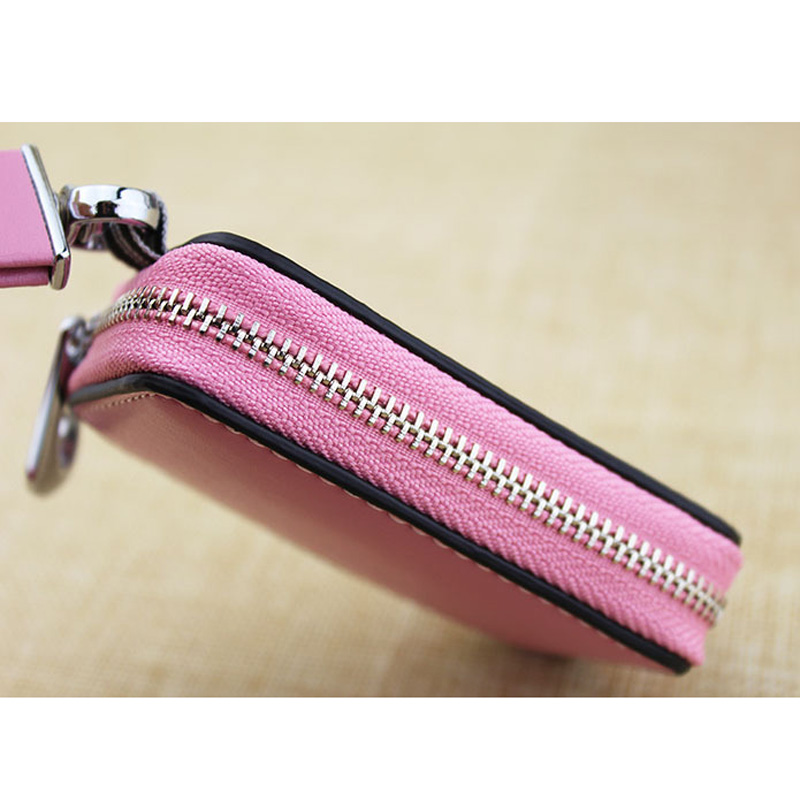
- Personalization & Style: Available in a wide range of colors, materials (like genuine leather, carbon fiber, or silicone), and designs, allowing you to match the key case to your personal style or the interior of your car.
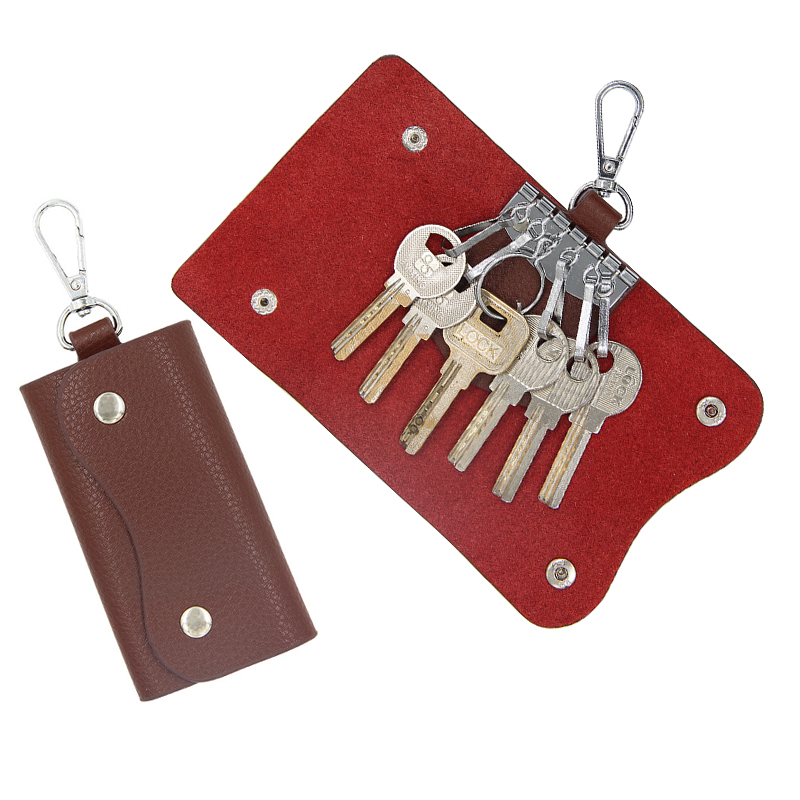
- Improved Grip & Convenience: Many cases feature textured surfaces or are made from materials like silicone that provide a better grip, reducing the chance of accidental drops. They often come with key rings or carabiners for easy attachment to your keys or bag.
Material Guide: Pros and Cons
| Material | Pros | Cons | Best For |
|---|---|---|---|
| Silicone / Rubber | Shock-absorbent, flexible, affordable, excellent grip, wide color selection. | Can attract lint and dust, may tear over time, less premium look. | Everyday protection, families, budget-conscious users. |
| TPU (Thermoplastic Polyurethane) | Good balance of flexibility and durability, scratch-resistant, clear options available. | Can yellow over time, less shock absorption than silicone. | Users wanting a slim fit with moderate protection. |
| Genuine Leather / PU Leather | Premium look and feel, durable, ages gracefully, adds a touch of luxury. | Less waterproof, can be more expensive, may not offer as much drop protection. | Style-conscious owners, business professionals. |
| Metal / Aluminum Alloy | Maximum drop and scratch protection, sleek and high-end aesthetic, very durable. | Heavier, can be bulky, may interfere with key signal if not designed properly. | Ultimate protection, off-roaders, luxury vehicle owners. |
| Carbon Fiber | Lightweight yet extremely strong, sporty and modern appearance. | Expensive, can be brittle under extreme impact. | Enthusiasts seeking a high-performance, sporty look. |
How to Choose the Right Car Key Case
- Check Compatibility: This is the most critical step. Ensure the case is explicitly designed for your car's make, model, and year. An ill-fitting case can obstruct buttons or prevent the key from working correctly.
- Determine Your Protection Needs: Consider your lifestyle. If you're active or often on the move, a shock-absorbent silicone case might be best. If you prioritize style, leather or metal could be the way to go.
- Assess Security Risks: If you have a keyless entry car and park near your home, investing in an RFID-blocking Faraday case or pouch is highly recommended to prevent relay theft.
- Consider Functionality: Look for features that matter to you, such as a built-in key ring, a carabiner for easy carrying, or a cover for the key blade to prevent wear on your clothes.
- Set a Budget: Prices range from a few dollars for basic silicone covers to over $50 for high-end leather or metal cases. Balance your desired features with your budget.
Installation & Usage Guide
Installing a car key case is typically a straightforward process:
- Step 1: Ensure your hands and the key fob are clean to avoid trapping dirt inside the case.
- Step 2: Most cases are two-piece designs. Gently separate the top and bottom halves.
- Step 3: Carefully place your key fob into the bottom half of the case, aligning the buttons with the corresponding cutouts.
- Step 4: Snap the top half of the case onto the bottom. Apply even pressure around the edges until you hear a click, ensuring a secure fit.
- Step 5: Test all the buttons (lock, unlock, trunk) to make sure they are responsive and not obstructed.
Reviews, Warranties & After-Sales
Before purchasing, it's wise to read customer reviews to gauge real-world performance and quality. Look for feedback on fit, durability, and whether the case affects the key's wireless range.
Regarding warranties, most car key cases come with limited manufacturer warranties. Always check the specific terms and conditions provided by the seller or brand. Keep your proof of purchase, as it is usually required for any warranty claims. Common warranty policies include:
- Limited coverage for manufacturing defects.
- Warranty void if the product is modified or damaged due to improper use.
- Replacement of the defective case is the typical remedy.
Disclaimer: This guide is for informational purposes only. Product availability, specifications, and warranty policies may vary by manufacturer and seller. Always verify compatibility with your specific vehicle before making a purchase.
© 2026 Car Accessories Guide. All rights reserved.