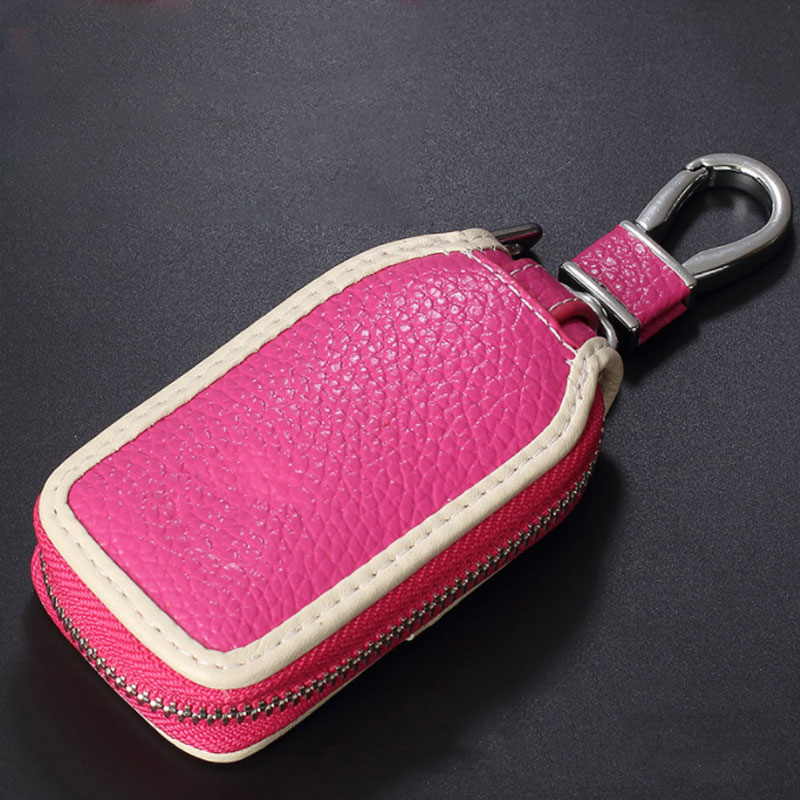
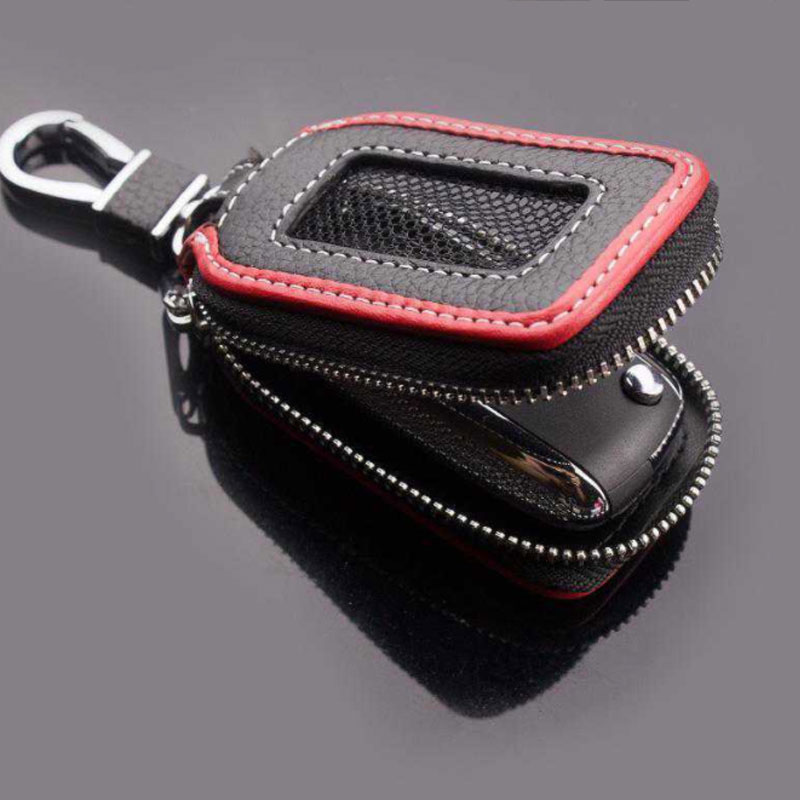
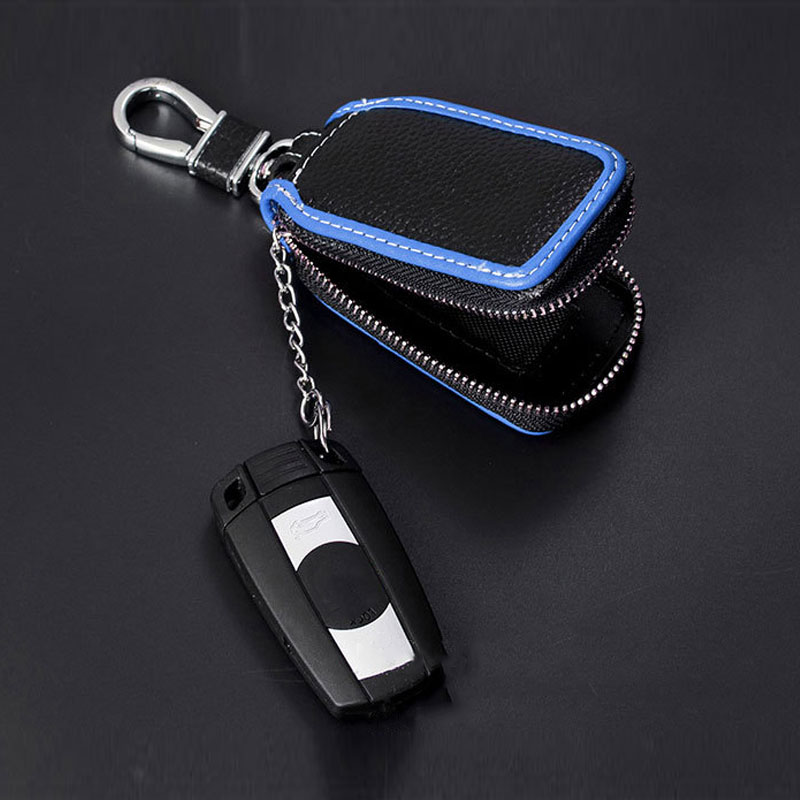
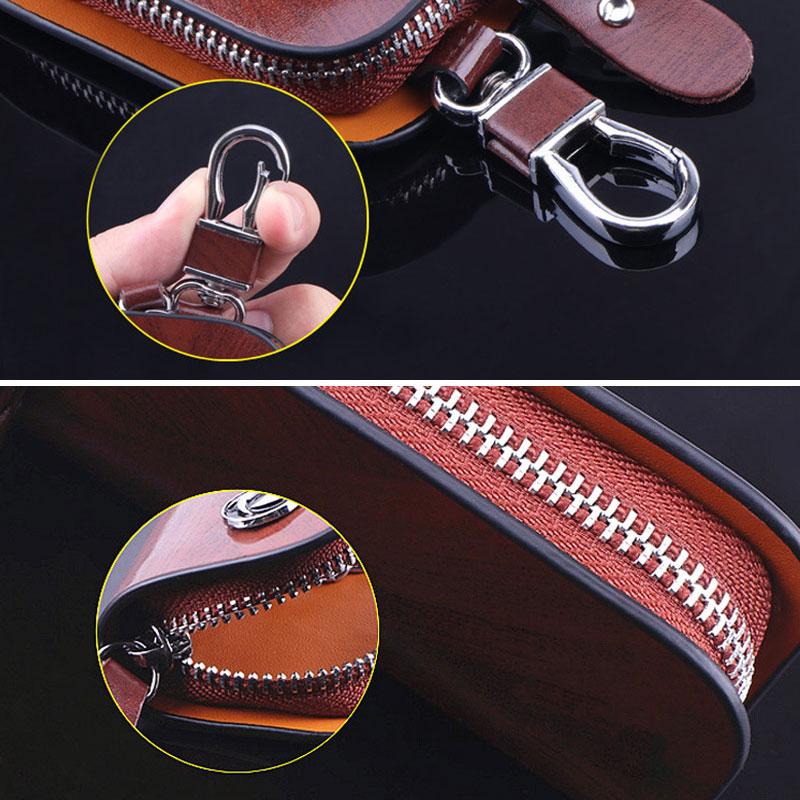
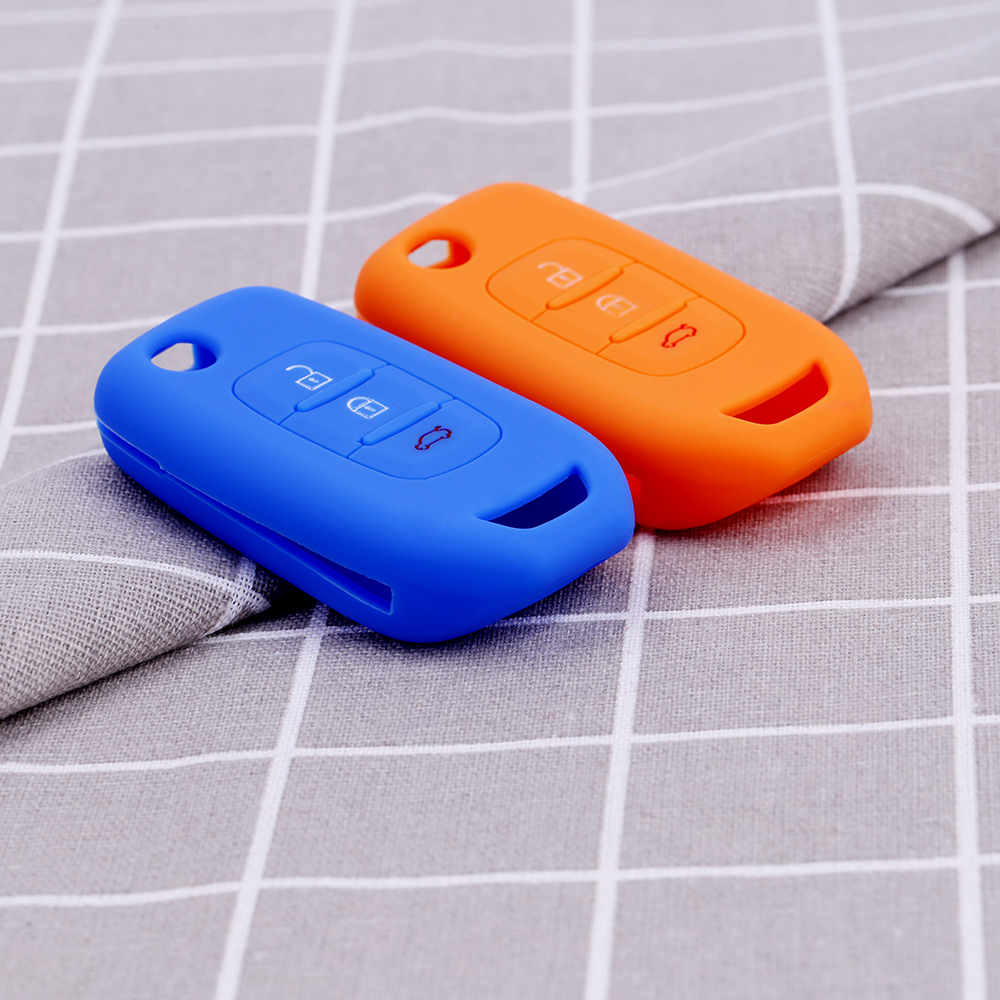
Universal Car Key Case: Ultimate Protection and Style for Your Key Fob
Brand: Various (OEM/Aftermarket) | Material: PU Leather, TPU, Leather | Compatibility: Mercedes-Benz, BMW, Audi, Nissan, Toyota, Hyundai, Kia, BYD, and more.
Product Overview
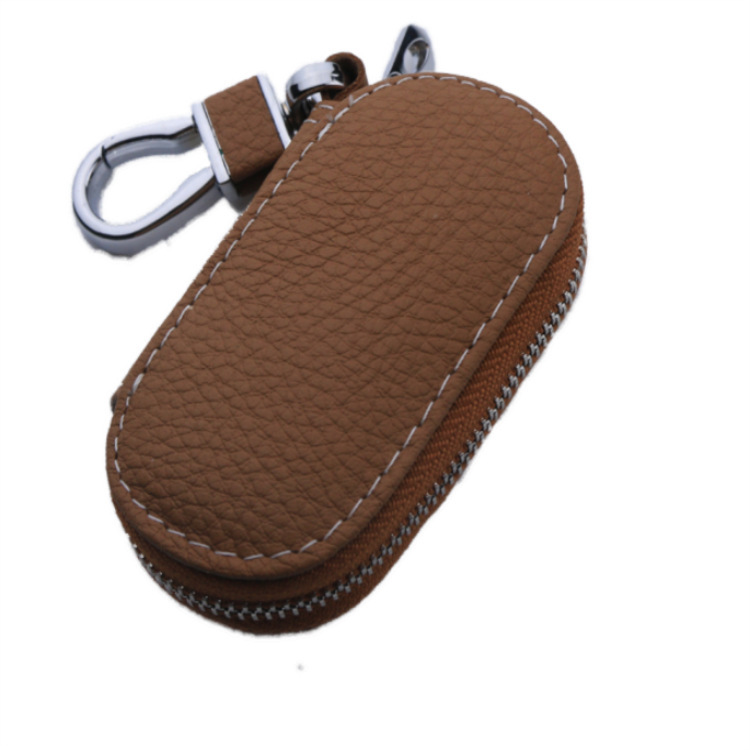
A Car Key Case is a protective shell or pouch designed to shield your vehicle's key fob from scratches, drops, dust, and daily wear and tear. Modern key fobs are expensive to replace, often costing hundreds of dollars, making a protective case a wise investment.
Key Features & Benefits:
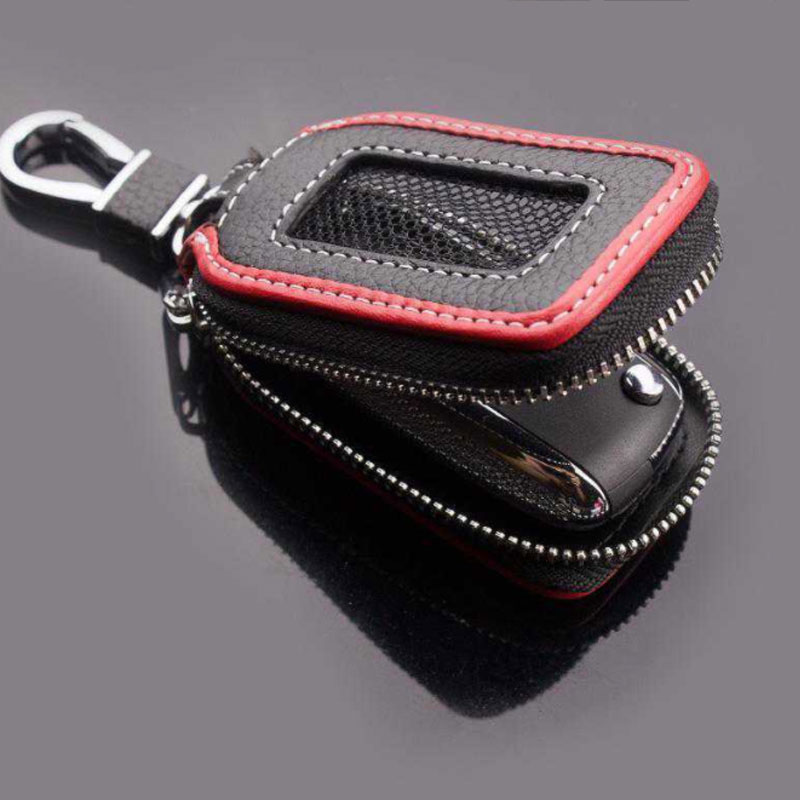
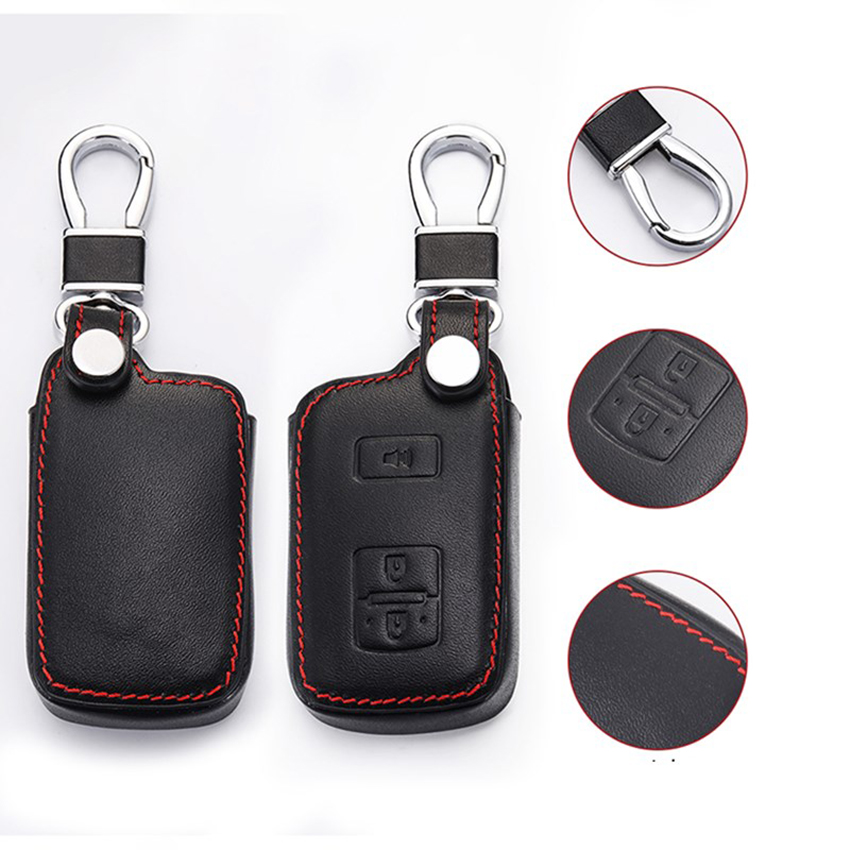
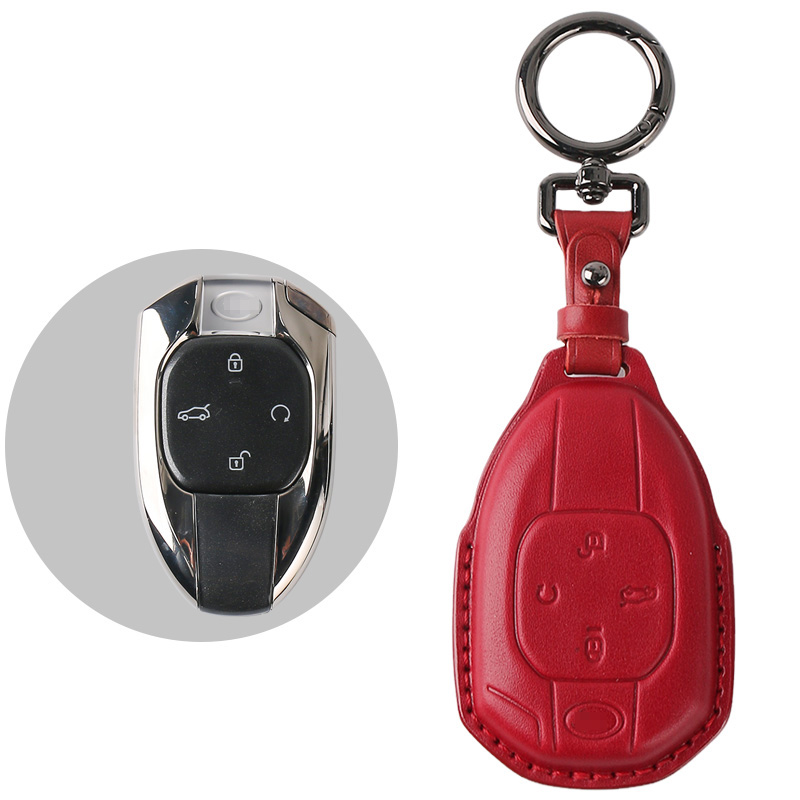
Full Coverage Protection: Encases the entire key fob, often with precise cutouts for buttons and key rings.
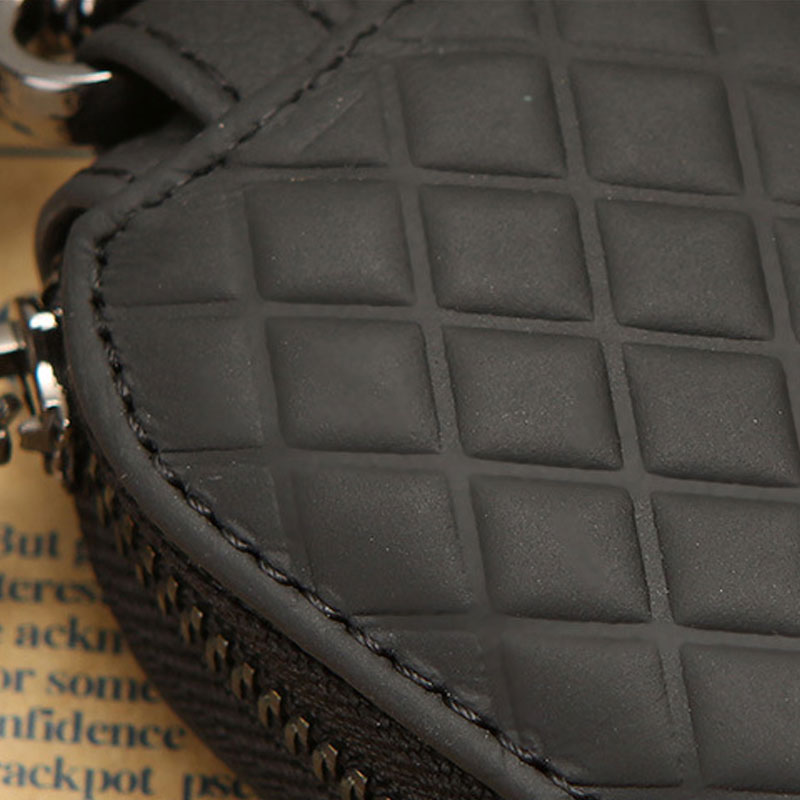
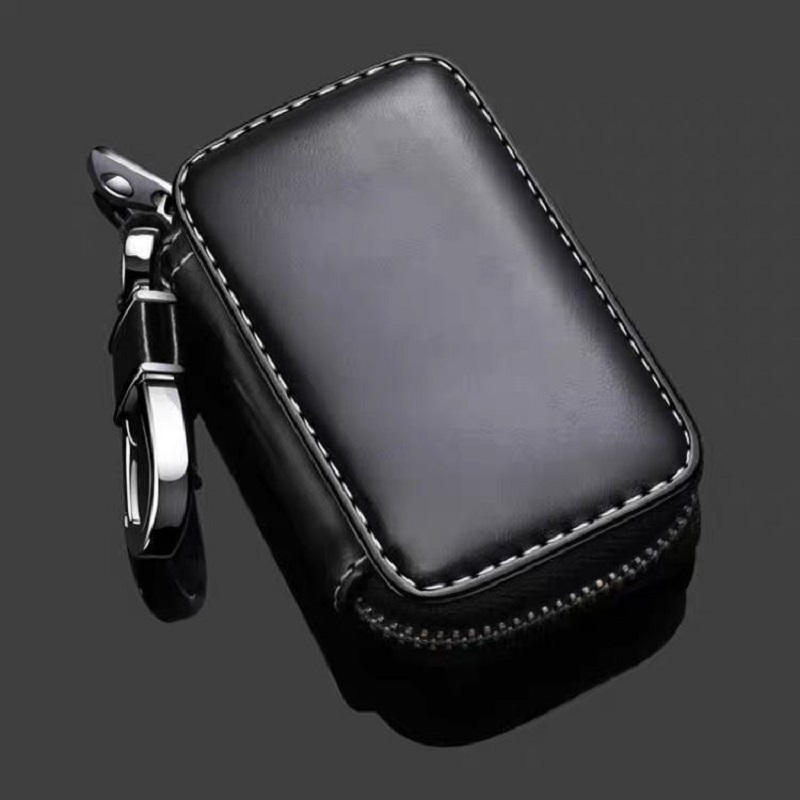
Material Variety: Available in soft TPU (Thermoplastic Polyurethane) for a snug fit, PU Leather for a premium look, and genuine leather for luxury feel.
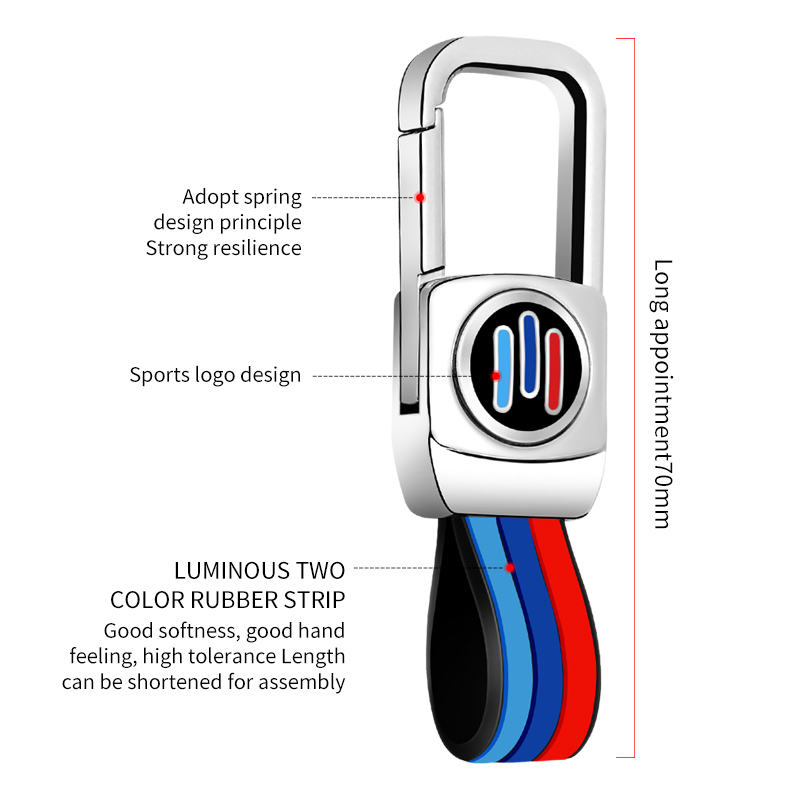
Anti-Loss Design: Many cases feature larger key rings or bright colors to make the key easier to find in a bag or pocket.
Signal Protection: High-quality cases are designed to offer 360° signal protection, ensuring the remote's functionality is not compromised.
Customization: Options for custom logos or specific brand styling (e.g., AMG, M Sport) are available for businesses or brand enthusiasts.
Usage & Installation Guide
Installing a car key case is typically a simple, tool-free process. However, for cases that require transferring internal components, a small screwdriver may be needed.
Step-by-Step Installation (Slip-On TPU/PU Case):
Check Compatibility: Ensure the case model matches your key fob's brand, model, and year.
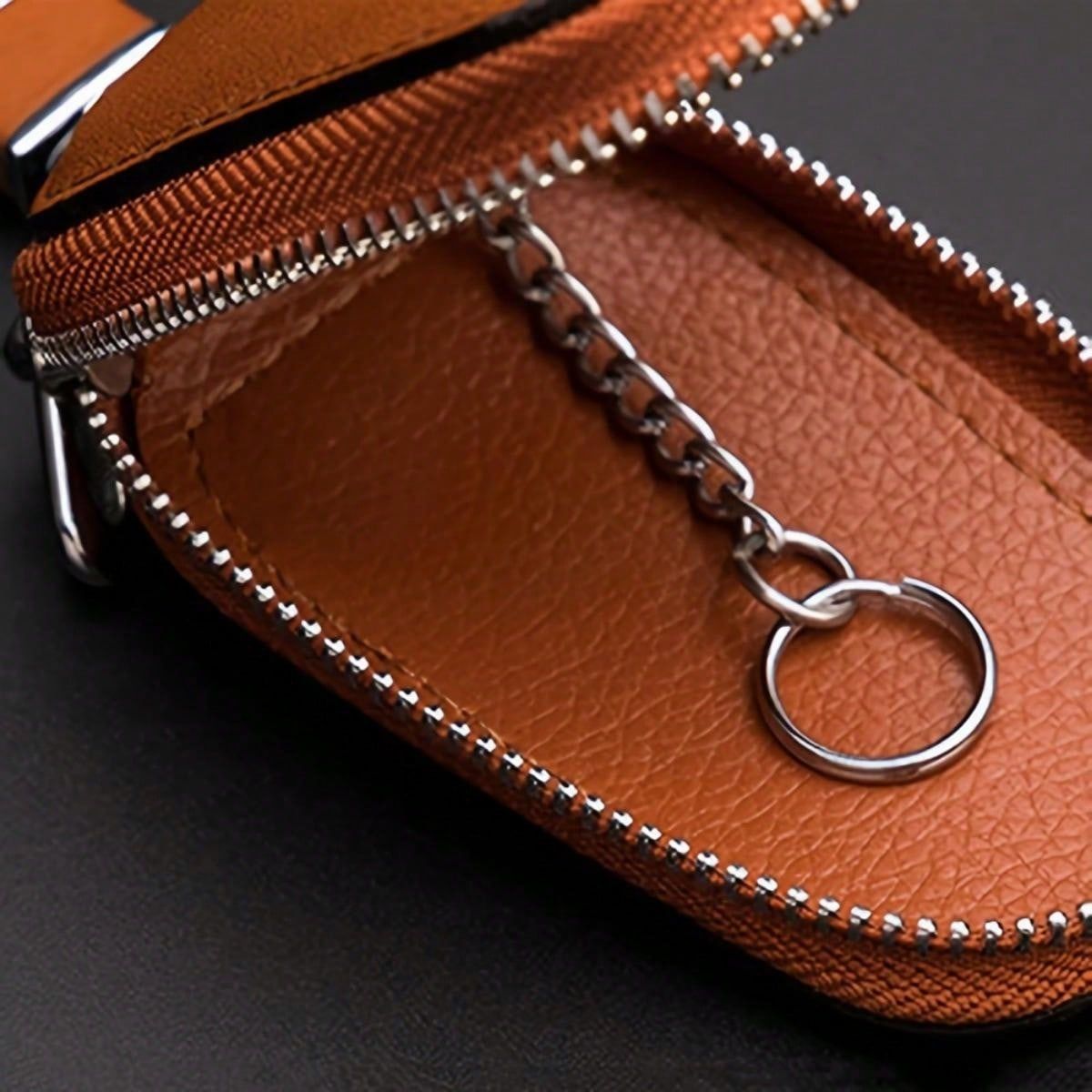
Open the Case: If it's a two-part case, gently separate the halves. If it's a pouch, unzip or open the flap.
Insert the Key Fob: Carefully slide your key fob into the case, aligning the button cutouts with the actual buttons on your key.
Secure the Case: Snap the two halves together or zip/close the pouch until it is fully secure.
Test Functionality: Press all buttons (lock, unlock, trunk) to ensure the case does not impede their operation. Test the key blade ejection mechanism if applicable.
Installation (Shell Replacement - Advanced):
For cases that require replacing the physical shell of the key, the process involves transferring the internal electronics.
Disassemble Old Key: Use a small flat-head screwdriver to carefully pry open the original key fob shell along the seam.
Remove Internals: Gently remove the circuit board, transponder chip (usually a small glass capsule), and battery.
Transfer to New Case: Place the transponder chip into the designated recess in the new case. Secure it with a small piece of adhesive putty if necessary to prevent rattling.
Reassemble: Carefully place the circuit board into the new case and align the two halves. Press firmly until you hear a click, indicating it's locked in place.
Replace Battery: Insert a new battery (e.g., CR2032) if needed, ensuring the positive side is facing up.
Buying Guide
When purchasing a car key case, consider the following factors to ensure you get the right product for your needs.
Where to Buy:
B2B Platforms (6688789, Made-in-China): Ideal for bulk purchases, wholesale, or custom logo orders for businesses.
B2C Marketplaces (Amazon, eBay, SHEIN): Best for individual consumers looking for a single unit with buyer protection and reviews.
Automotive Specialty Stores: Local auto parts stores or dealerships may carry branded or universal key cases.
Key Considerations:
Vehicle Compatibility: This is the most critical factor. Verify the case is designed for your specific car make, model, and year.
Material: Choose based on your preference. TPU is durable and flexible, while leather offers a more premium aesthetic.
Design: Look for features like a hidden zipper, a secure closure mechanism, and precise button cutouts.
Price: Prices range from $2-$15 for standard cases, with premium or custom-designed cases costing more.
Reviews & Testing Insights
Based on user reviews and product testing, here are the common pros and cons of using car key cases.
What Users Love:
Excellent Protection: Effectively prevents scratches and minor impact damage.
Enhanced Grip: TPU and leather cases provide a better grip than the original slippery key fob.
Personalization: Allows users to customize the look of their key and make it easily identifiable.
Value for Money: A low-cost way to protect a high-value item.
Common Concerns:
Fitment Issues: Some cases may be too tight or too loose, affecting button responsiveness.
Signal Interference: Low-quality or metal cases can sometimes reduce the key fob's signal range.
Bulkiness: Adds a small amount of bulk to the key, which may not be preferable for those who carry keys in a tight pocket.
After-Sales Service & Warranty
Warranty policies for car key cases vary by manufacturer and seller. It's important to understand the terms before purchasing.
Typical Warranty Coverage:
Warranty Period: Most manufacturers offer a warranty period ranging from 12 to 24 months from the date of purchase.
Coverage: The warranty typically covers defects in materials and workmanship under normal use.
Claim Process: To file a claim, you usually need to provide the original sales invoice and return the defective product to the seller or an authorized service center.
What's Usually NOT Covered:
Damage resulting from accidents, misuse, or improper installation.
Normal wear and tear, such as fading color or natural softening of materials.
Damage caused by external factors like extreme heat or moisture.
Products not purchased from an authorized retailer.
Disclaimer: Product specifications, prices, and warranty details are subject to change. Always verify compatibility and the latest information with the supplier before purchasing.