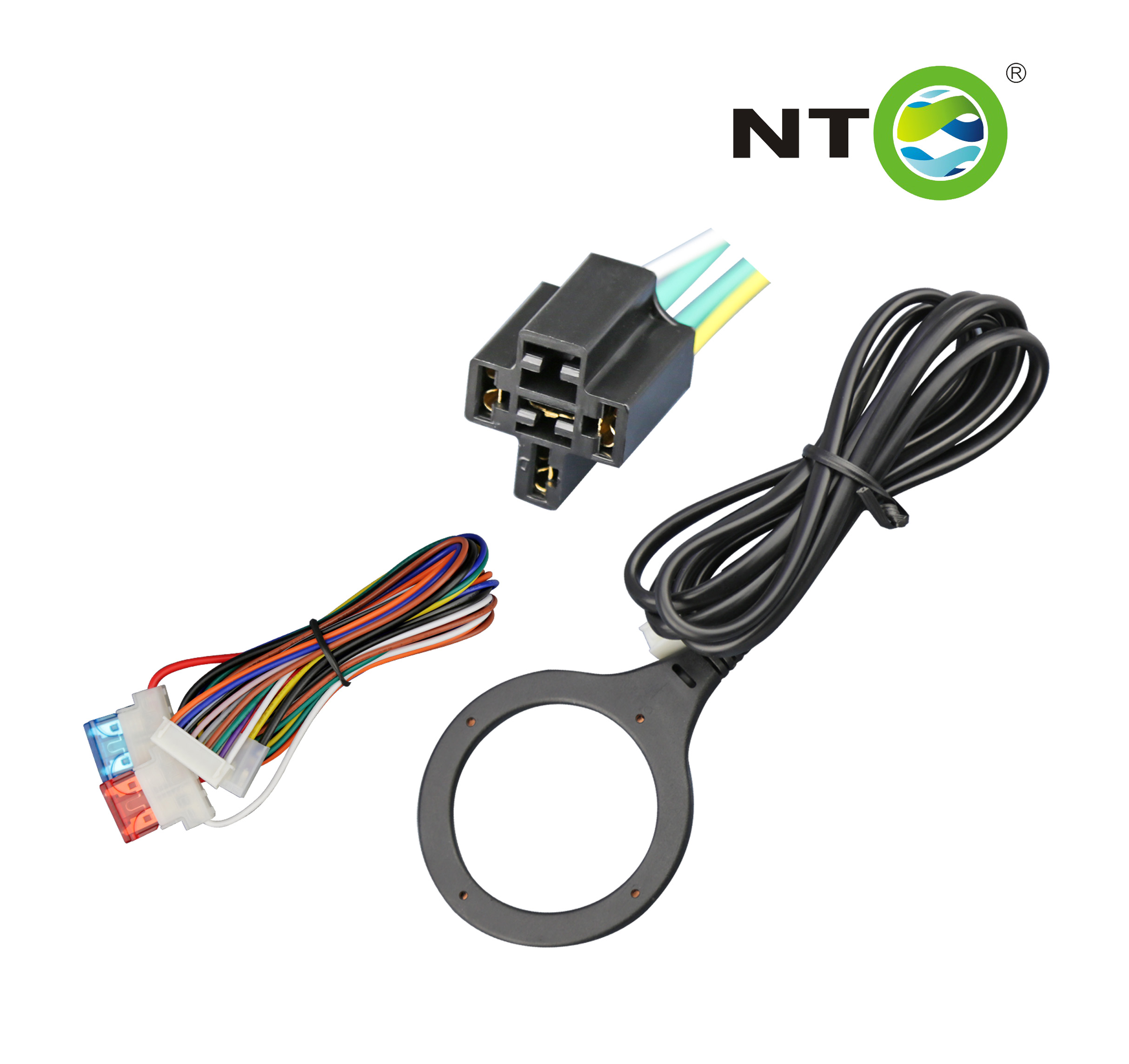
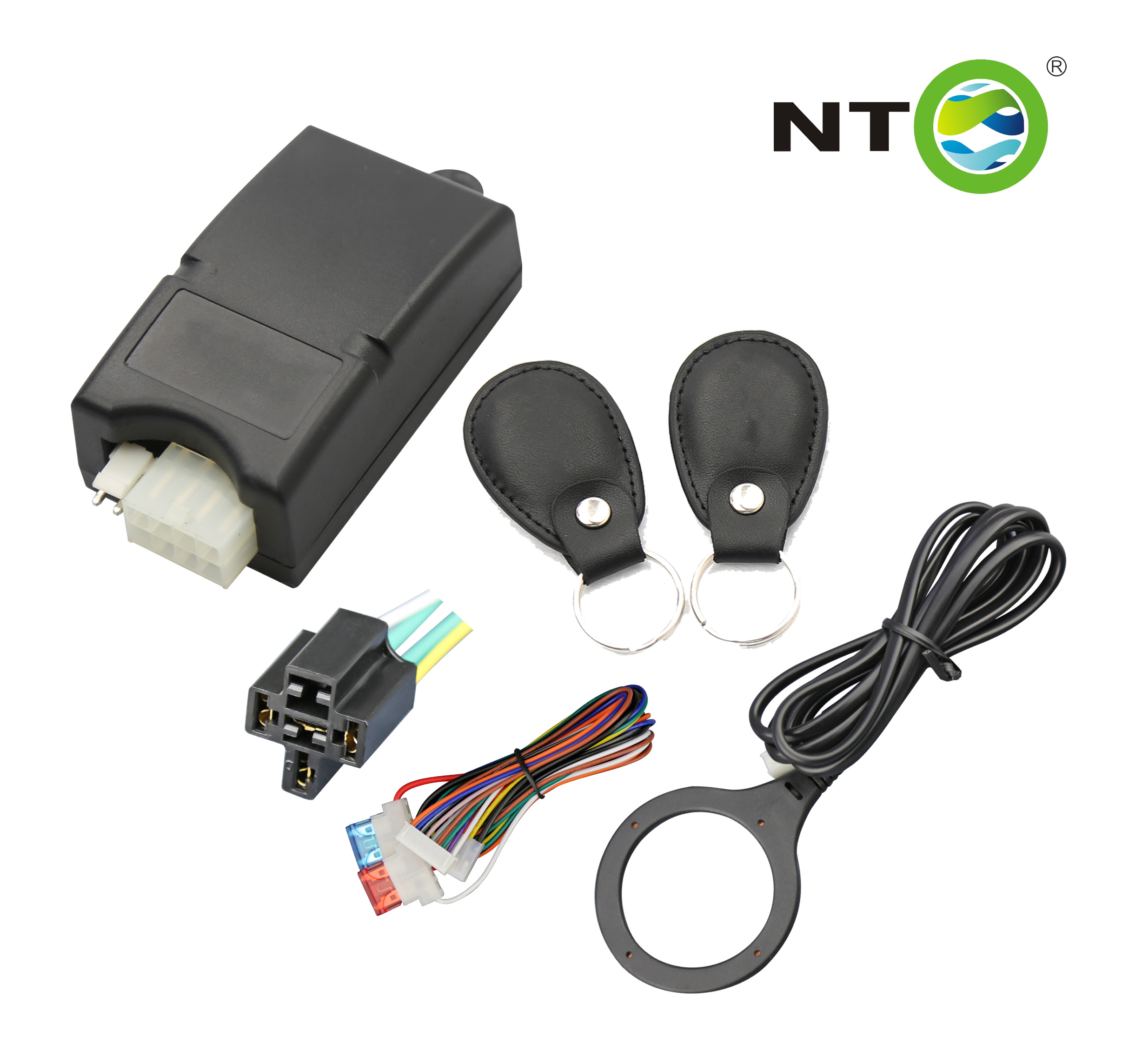
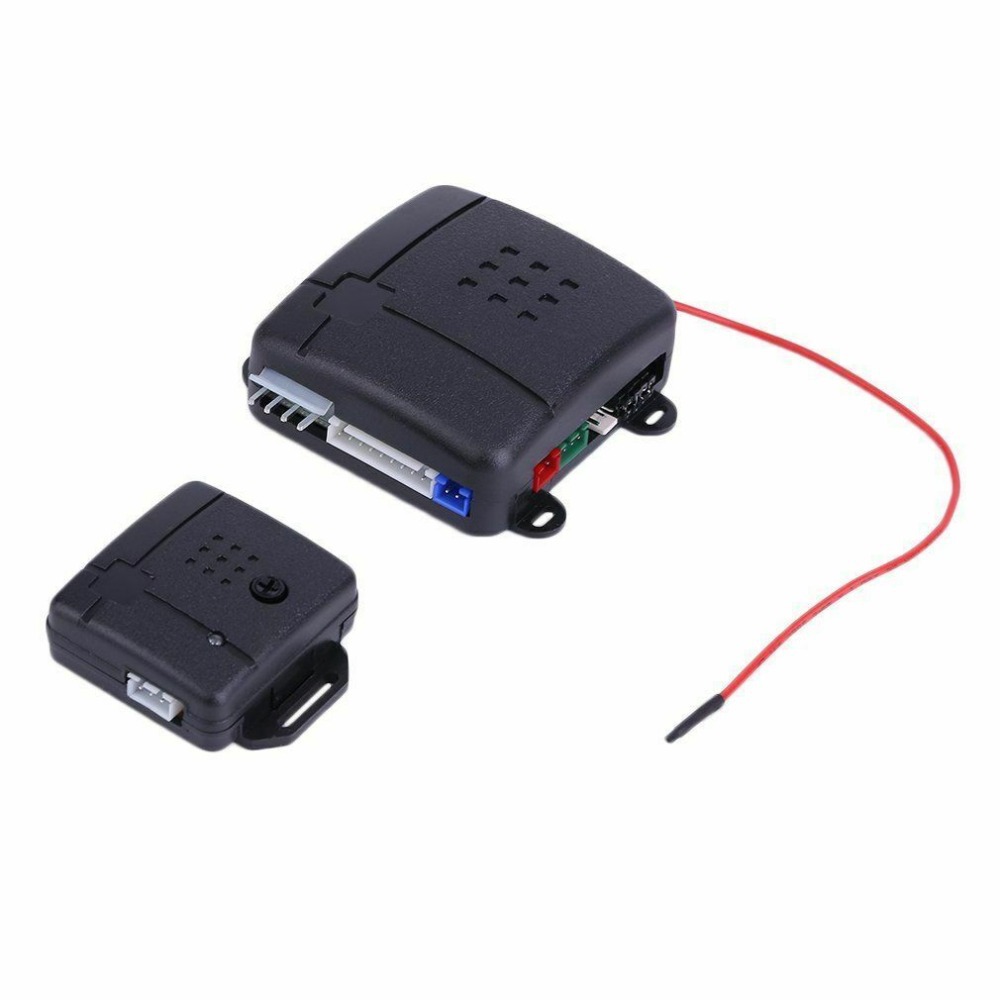
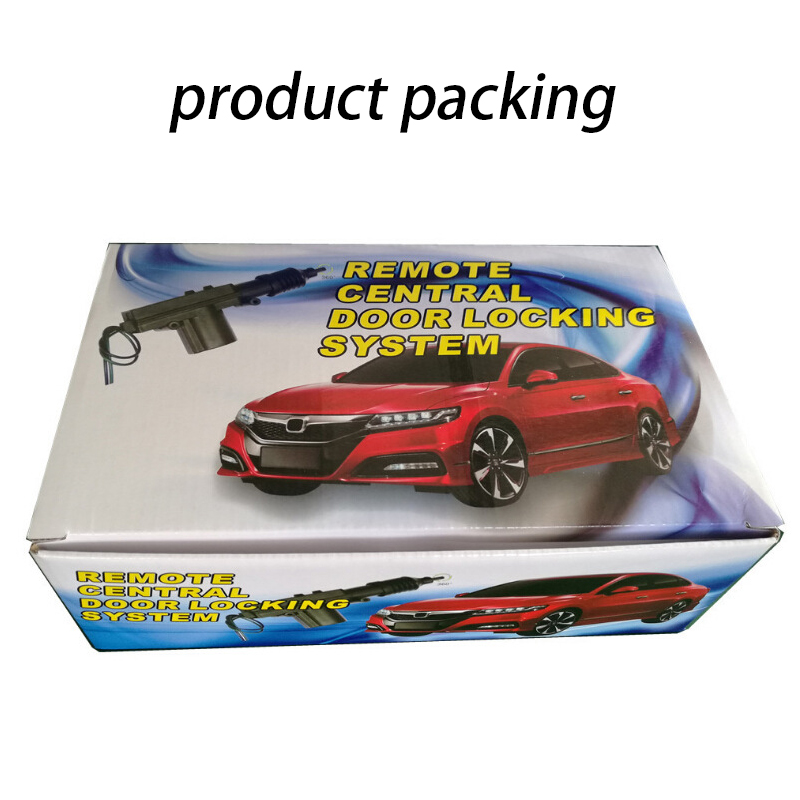
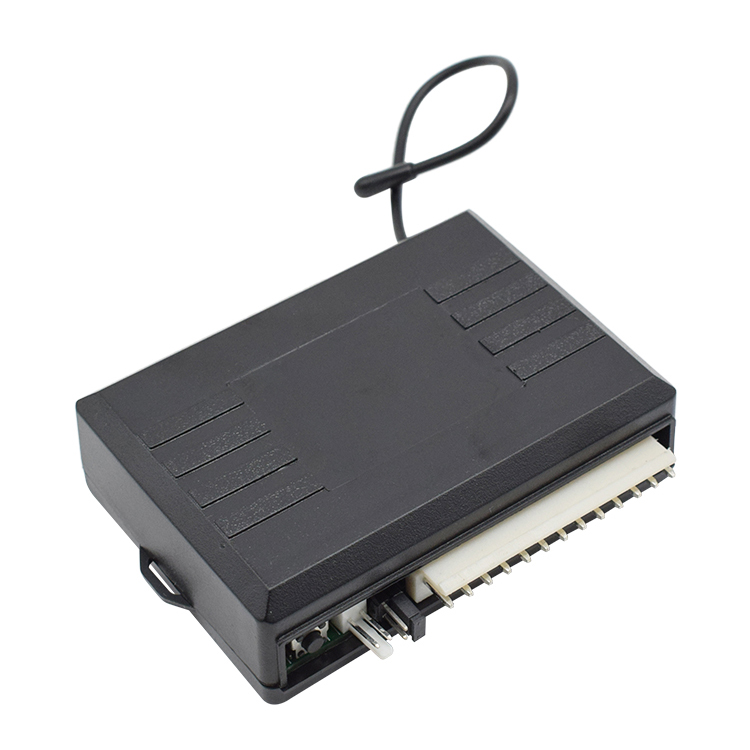
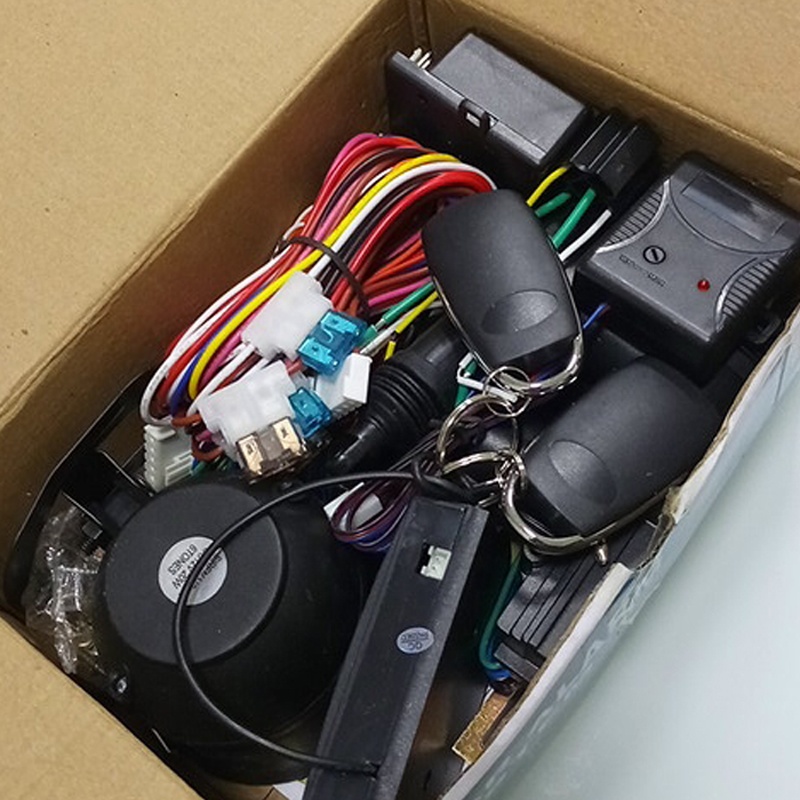
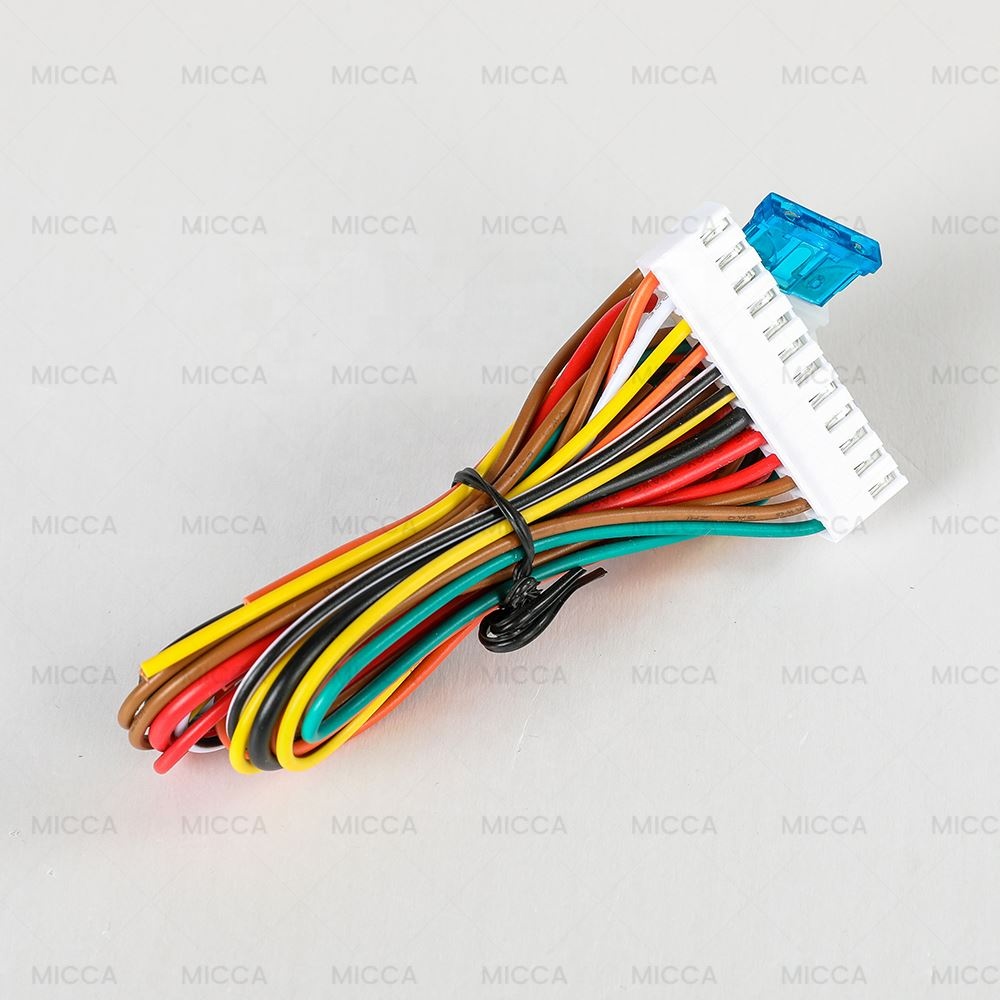
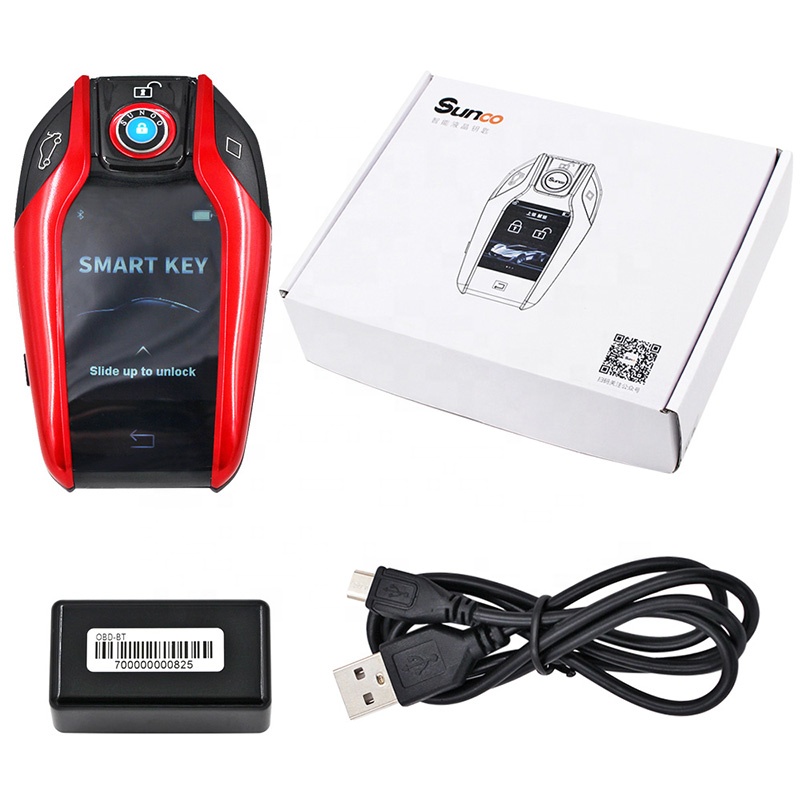
The NTO RFID Car Immobilizer is a state-of-the-art electronic security device designed to prevent unauthorized engine starting and vehicle theft. Utilizing Radio-Frequency Identification (RFID) technology, this system acts as a hidden "kill switch" that interrupts the vehicle's critical circuits (ignition, starter, or fuel pump) unless the authenticated RFID key fob is present. With its advanced anti-hijacking feature and a control range of up to 120 meters, it provides an additional layer of security beyond standard car alarms, making it a popular choice for commercial vehicles, personal cars, and high-risk areas.
Key Specifications
Attribute
Specification
Control Distance
80 - 120 meters
Operating Voltage
DC 12V
Working Frequency
433.93 MHz
Car Fitment
Universal (for 12V vehicles)
System Type
One-Way (RFID)
Key Features
Auto Lock/Arm, Auto Unlock/Disarm, Anti-Hijacking, Power-Off Memory, Code Learning, Emergency Release
Warranty
1 Year
Place of Origin
Guangdong, China
Product Extension Information
Usage & Installation Guide
The NTO Immobilizer is designed for professional installation, though experienced DIY users can attempt it with a comprehensive vehicle wiring diagram.
Installation Steps:
Vehicle Preparation: Disconnect the negative terminal of the car battery to prevent electrical shorts.
Locate Key Wires: Using a multimeter, identify the ignition wire, starter wire, and fuel pump wire behind the dashboard or in the engine bay.
Module Connection: Splice the immobilizer's control wires into the chosen circuit (typically the starter or fuel pump wire) to interrupt the signal. Soldering is recommended over crimp connectors for durability.
Mounting: Conceal the main immobilizer module in a hidden location (e.g., under the dashboard). Mount the RFID reader antenna in an accessible but discreet spot.
Power Connection: Connect the module's power leads to a constant 12V source and an ignition-switched 12V source.
Testing: Reconnect the battery. Test the system by attempting to start the car without the RFID key fob present (it should crank but not start). Then, bring the key fob near the reader and attempt to start again to confirm successful disarm.
Daily Operation: The system typically arms automatically when you walk away from the vehicle and disarms when you approach with the key fob. In an anti-hijacking scenario, a specific button sequence on the remote can cut engine power while driving, safely bringing the vehicle to a stop.
Purchase Considerations
When buying an NTO Immobilizer, consider the following to ensure you get the right product for your needs:
Compatibility: Confirm your vehicle operates on a 12V electrical system (most cars and light trucks do). Check if your vehicle requires any special bypass modules for electronic ignition systems.
Feature Set: Decide if you need Bluetooth app control, keyless entry, or remote start, as these are often available in higher-end NTO models.
Supplier Reputation: Purchase from authorized dealers or reputable suppliers to ensure product authenticity and access to after-sales support.
Installation Cost: Factor in the cost of professional installation if you are not comfortable installing it yourself, which can add significantly to the total price.
Reviews & Evaluation
Based on user feedback and technical analysis, the NTO Immobilizer has the following pros and cons:
Pros:
Enhanced Security: Effectively deters hot-wiring and key cloning, common methods of modern car theft.
Discreet Operation: The hidden nature of the device makes it difficult for thieves to locate and bypass.
Reliability: RFID technology is less susceptible to environmental interference and signal jamming compared to traditional remote alarms.
Anti-Hijacking Value: Provides a crucial safety feature for drivers in regions where carjacking is a concern.
Cons:
Installation Complexity: Incorrect wiring can lead to vehicle malfunctions or false alarms.
Dependence on Key Fob: Losing the RFID key fob can leave you locked out of starting your own car, requiring emergency override procedures.
Potential Interference: In rare cases, strong electromagnetic fields from other devices can temporarily disrupt the RFID signal.
After-Sales Service & Support
NTO products are backed by a standard 1-year warranty covering manufacturing defects. The after-sales process typically involves:
Warranty Claim: Contact the seller or supplier with proof of purchase (invoice) and a description of the issue. The product must not show signs of physical damage or improper installation.
Troubleshooting Support: Most suppliers provide technical support to help diagnose common issues like failure to arm/disarm or remote pairing problems.
Repair/Replacement: Depending on the assessment, the supplier may offer to repair the unit, replace it, or send necessary spare parts. Note that shipping costs for returns may be the buyer's responsibility.
Online Resources: Installation manuals and FAQs can often be found on the supplier's website or by contacting their customer service directly.