Your definitive resource for high-performance wheels on BMW X5, Porsche 911 GT3 RS, Cayenne 958, and Chevrolet Camaro SS.
What Are Forged Alloy Wheels?
Forged alloy wheels represent the pinnacle of wheel manufacturing technology. Unlike traditional cast wheels, forged wheels are created by applying immense pressure to a solid block of aluminum alloy (typically 6061-T6), resulting in a denser, stronger, and significantly lighter product. This process aligns the metal's grain structure, eliminating porosity and creating a wheel that can withstand extreme forces encountered in high-performance driving and track use.
Key Advantages of Forging:
Strength & Durability: Forged wheels are generally stronger and more resistant to cracking under repeated load cycles compared to cast wheels.
Lightweight: The forging process allows for thinner, stronger spokes and barrels, drastically reducing unsprung mass. This improves handling, acceleration, braking, and suspension response.
Performance: Reduced rotational mass translates to sharper steering feedback and better overall vehicle dynamics, making them a top choice for track-oriented vehicles like the Porsche 911 GT3 RS and Camaro SS 1LE.
Customization: Forged wheels are often custom-made, allowing for bespoke designs, offsets, and widths to achieve the perfect stance and brake clearance.
Featured Brands and Vehicle Fitment
From luxury SUVs to track-focused sports cars, custom forged wheels enhance both aesthetics and performance.
BMW X5 (G05) Forged Wheels
Upgrading your BMW X5 with forged wheels, such as those from LARTE Design or other custom manufacturers, adds unparalleled style and reduces weight. Key specifications often include a bolt pattern of 5x112 or 5x120, with offsets tailored to clear the factory brake calipers and provide an aggressive or OEM+ stance.
Porsche 911 GT3 RS (992 & 991) & Cayenne 958
Porsche's high-performance models benefit immensely from lightweight forged wheels. The GT3 RS often uses a staggered setup (e.g., 20x10 front, 21x13 rear) with center lock hubs. Brands like Vorsteiner and Manthey offer forged options that can save significant weight over stock, further enhancing the car's razor-sharp handling. For the Cayenne 958, forged wheels like those from VR Forged offer rugged durability for overland builds or improved performance for street use, with common bolt patterns of 5x130.
Chevrolet Camaro SS (6th Gen) & 1LE Rims
The Camaro SS, especially with the 1LE track package, comes with factory-forged wheels. Aftermarket options from brands like Forgeline, MRR, and ALT Forged provide even more customization. A typical staggered fitment for a 6th Gen Camaro SS is 20x10 in the front and 20x11 in the rear.
AZAD Rims & Maxtera Industries
AZAD Wheels is known for its exclusive VIP and flow-form collections, offering wheels ranging from 20" to 28" for those seeking a standout look. Their designs, like the AZ717, are popular for luxury SUVs and trucks.
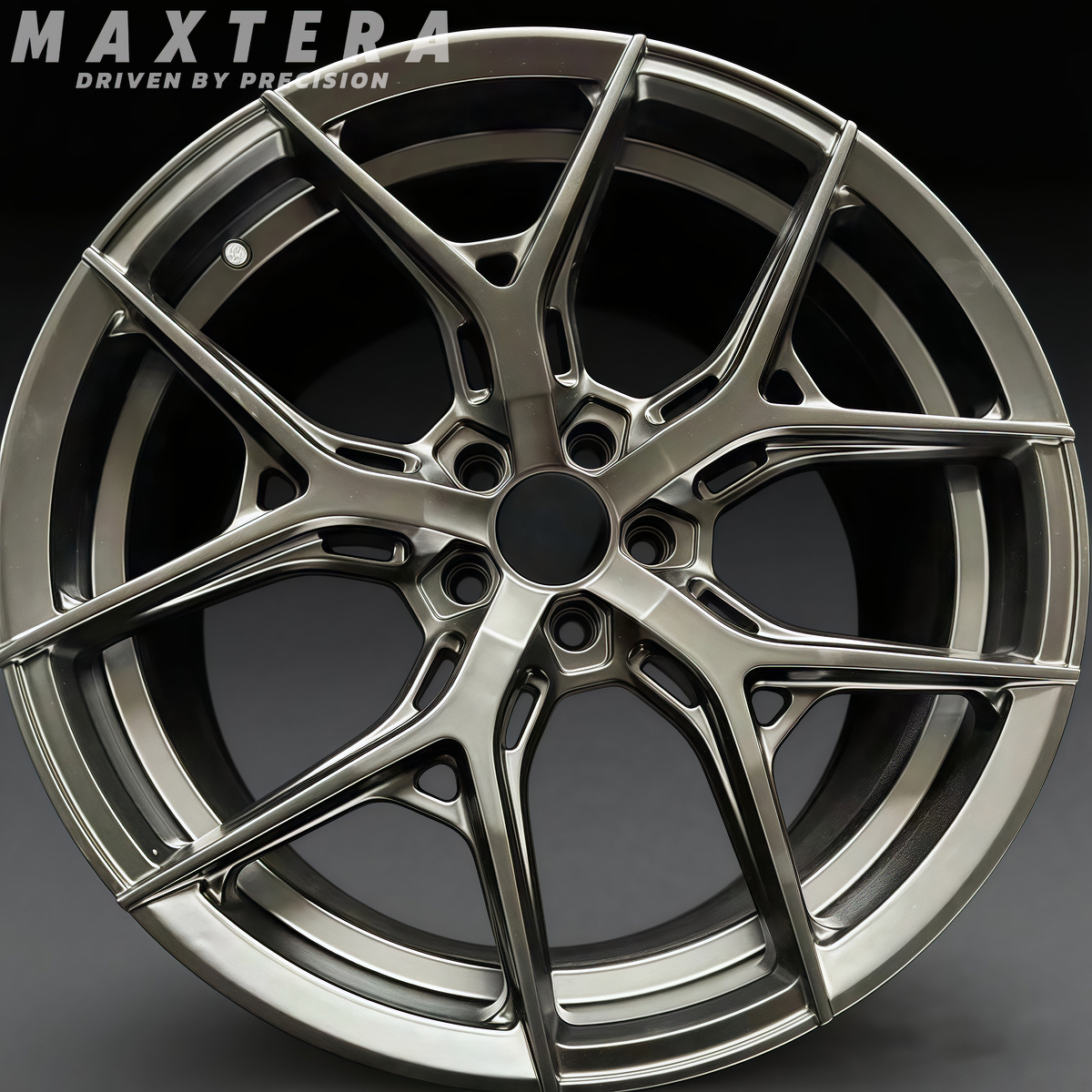
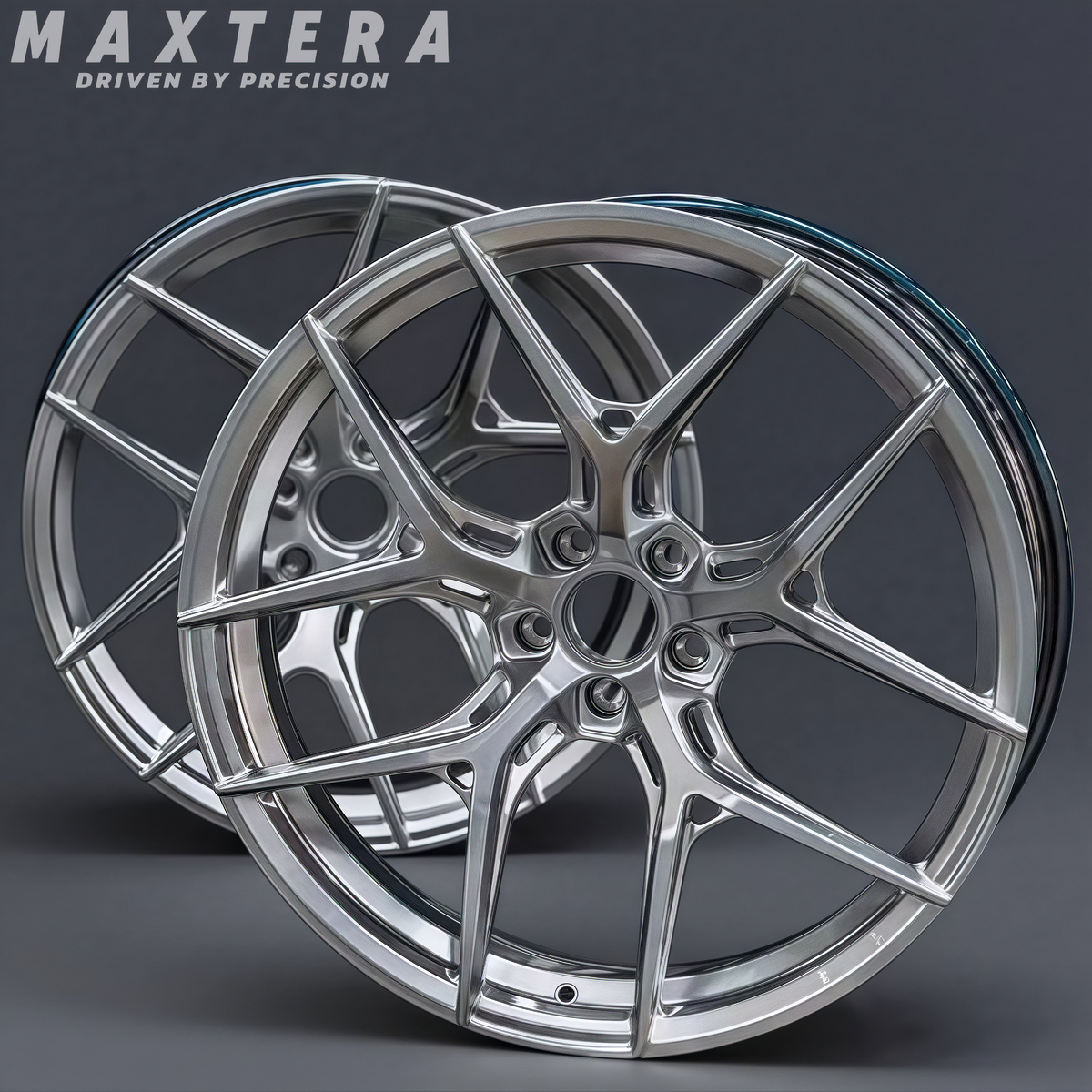
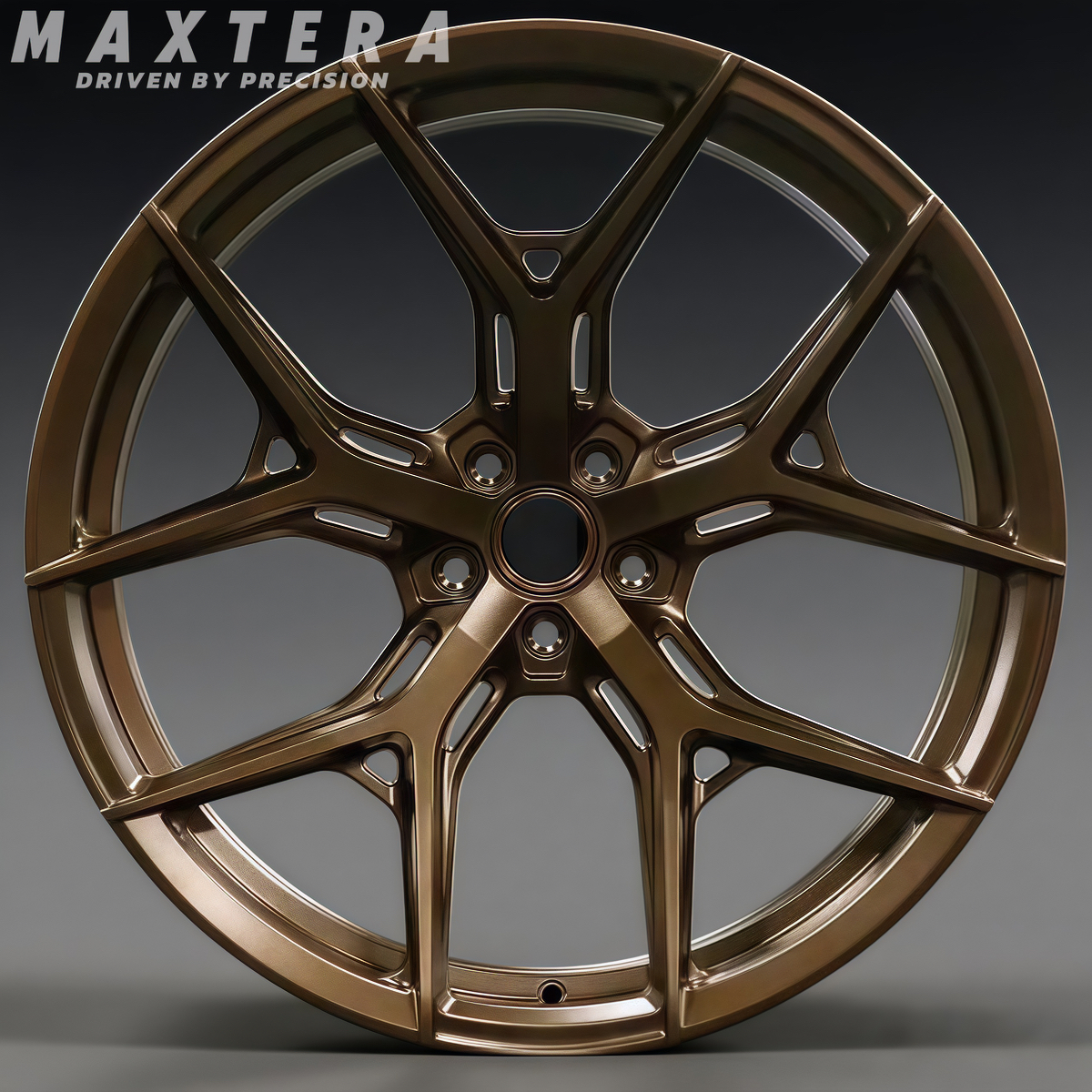
Maxtera Industries is a custom manufacturer offering forged wheels for a wide range of applications, including Porsche and BMW models. They emphasize customization based on customer drawings and offer a 10-year warranty on their products, as seen in their product listings.
Comprehensive Buying Guide
Purchasing forged wheels is a significant investment. Follow these steps to ensure you get the right product.
1. Verify Fitment (PCD, Offset, Center Bore)
Pitch Circle Diameter (PCD): This is the bolt pattern (e.g., 5x120 for many BMWs, 5x130 for Porsche Cayenne). Mismatched PCD means the wheel won't bolt on.
Offset (ET): Determines how far the wheel sits in or out of the wheel arch. Incorrect offset can cause rubbing against the fender or suspension components.
Center Bore: Must match your vehicle's hub for a precise fit. Incorrect center bore can cause vibrations, even if the PCD is correct.
2. Choose the Right Construction
Understand the difference between true forged wheels and flow-formed (rotary forged) wheels. While both are superior to cast, true monoblock forged wheels offer the highest strength-to-weight ratio.
3. How to Verify Quality
Before purchasing, especially used wheels, inspect them thoroughly:
Checkpoint
What to Look For
Weight
Compare against manufacturer specs. Forged wheels are significantly lighter than cast equivalents.
Visual Inspection
Look for cracks (especially around lug holes), bends, or excessive curb rash that could compromise structural integrity.
Machining Marks
Genuine forged wheels often have visible tool paths on the backside, indicating they were CNC-machined from a solid block.
Sound Test
Tap the wheel gently. A forged wheel will produce a clear, bell-like ring, while a cast wheel sounds dull.
Installation, Usage & Maintenance
Professional Installation
Always have your forged wheels installed by a professional using a torque wrench. Over- or under-tightening lug nuts can damage the wheels or lead to failure. Ensure the tire size matches the rim specifications to avoid undue stress on the suspension.
Daily Driving & Track Use
Forged wheels excel in both environments. For daily driving, they offer improved responsiveness. For track use, their ability to handle high lateral loads and heat cycles makes them the preferred choice for safety and performance consistency.
Cleaning & Care Routine
Proper maintenance extends the life and appearance of your wheels:
Regular Cleaning: Use mild detergents and soft brushes to remove brake dust and road salt, which can corrode the finish.
Avoid Harsh Chemicals: Acidic cleaners and abrasives can damage the wheel's protective coating.
Protection: Apply a protective wax or sealant to create a barrier against contaminants.
Storage: If storing, keep the wheels in a cool, dry place away from moisture and aggressive chemicals.
After-Sales Support, Warranty & Returns
Warranty policies vary by manufacturer. For example, Maxtera Industries advertises a 10-year warranty. Always check the specific terms before purchasing.
Common Warranty Coverage:
Structural Defects: Covers manufacturing flaws in the wheel's structure.
Lifetime Structural Warranty: Some premium brands offer a lifetime warranty on the wheel's structure.
What's Typically Not Covered:
Normal wear and tear (bearings, finish wear).
Damage from improper installation, accidents, or curb impact.
Cosmetic finishes (anodizing, paint) may have limited coverage.
Return Policies
Custom-made items are often non-returnable unless they arrive damaged or defective. Standard return policies may apply for non-custom items, but once wheels are mounted and used, returns are usually not accepted based on a change of mind.
Expanded Search Keywords
Use these keywords to find more specific information about forged wheels for your vehicle.