M12x1.5 60° Conical Seat Open End Lug Bolts: A Complete Guide
Brand: Rongfei | Model: 6028 Series | Condition: New
Product Overview
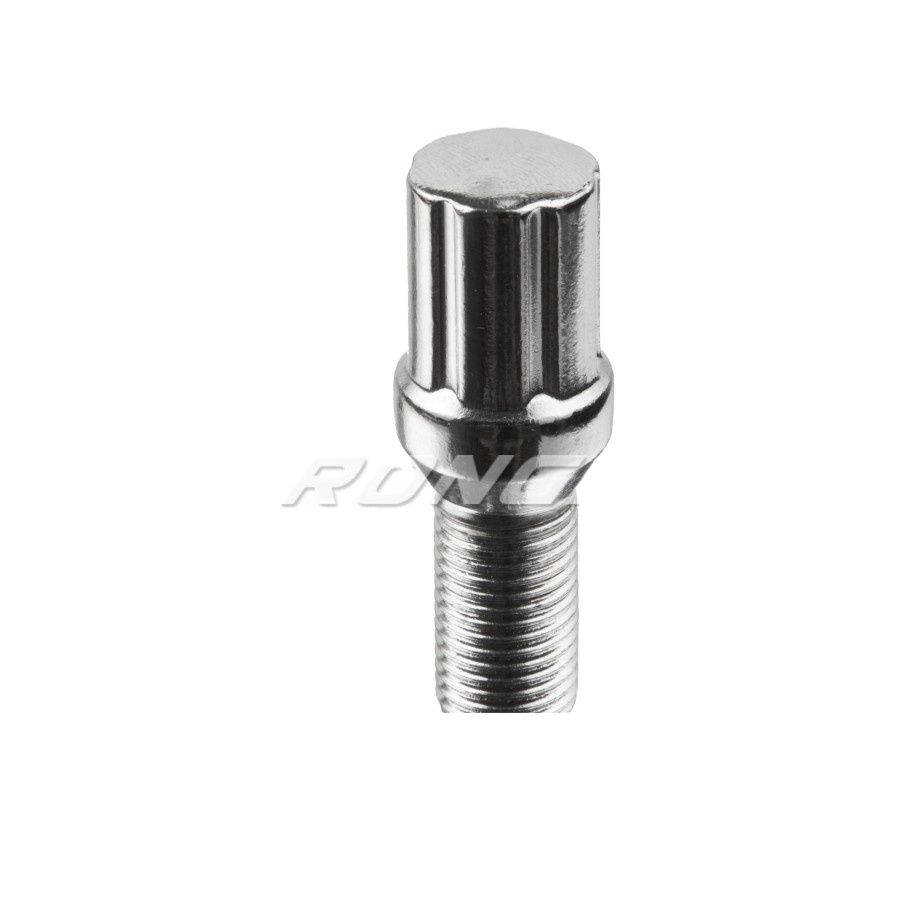
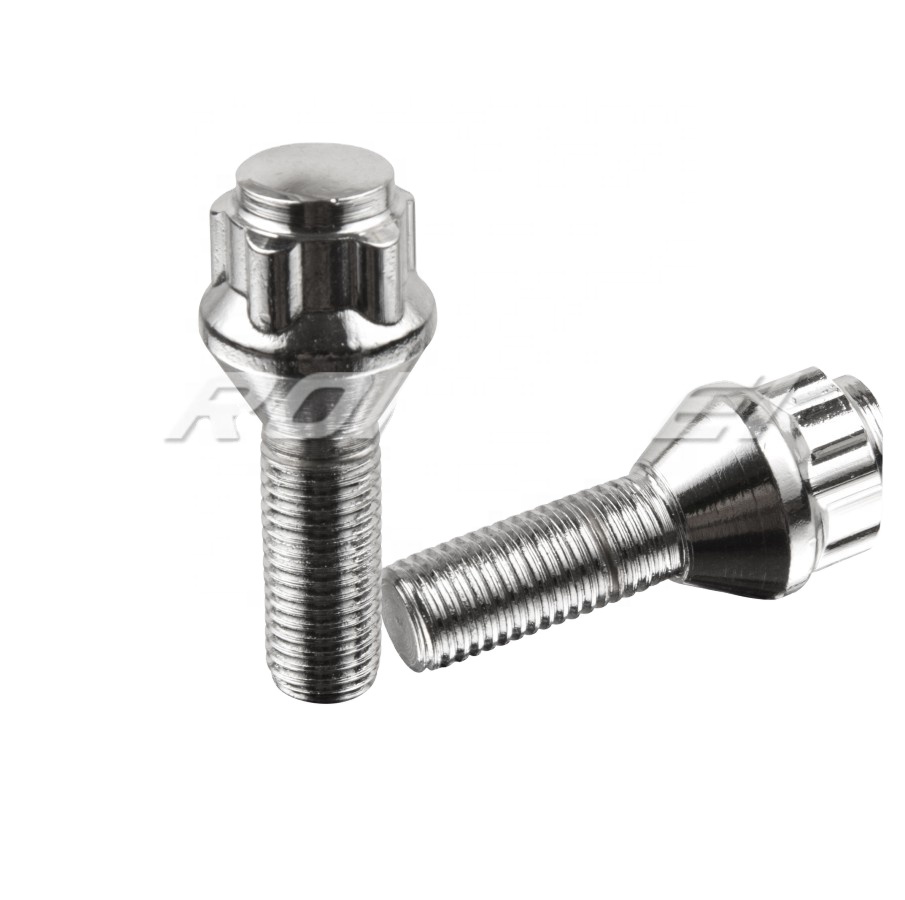
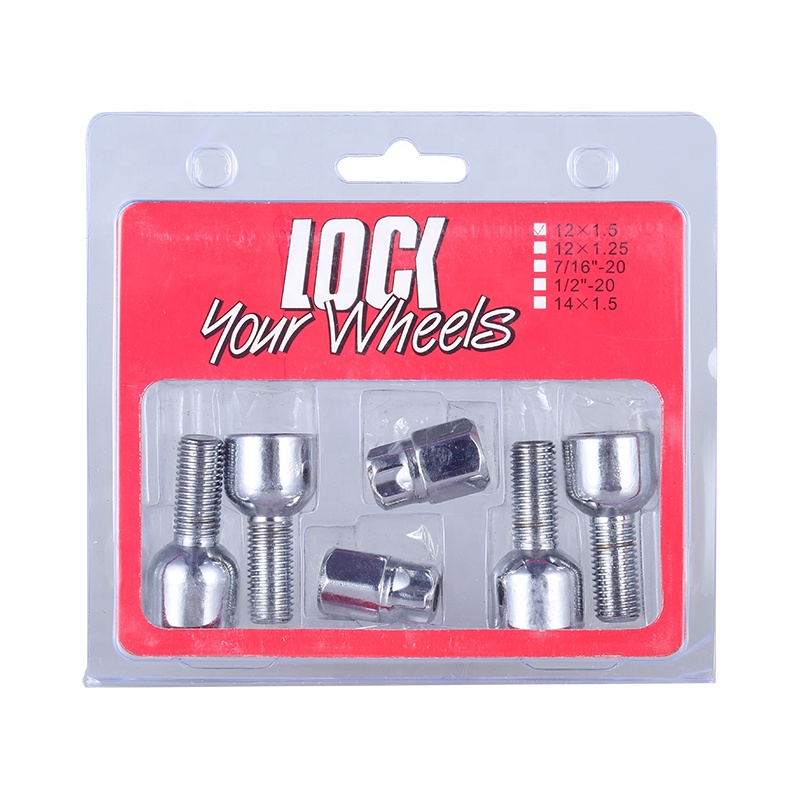
The M12x1.5 60° Conical Seat Open End Lug Bolt is a critical automotive fastener designed to securely mount wheels to the vehicle hub. The "open end" design allows for compatibility with longer wheel studs, which is particularly useful when using wheel spacers. The 60° conical seat ensures a precise and centered fit on most aftermarket and OEM wheels, providing reliable clamping force and safety.
Technical Specifications & Attributes
Attribute
Details
Thread Size
M12 x 1.5 (Metric 12mm diameter, 1.5mm pitch)
Seat Type
60° Tapered Conical Seat (Acorn Seat)
End Type
Open End / Bulge Open End
Material
Aluminum Alloy, Steel, or Titanium Alloy (Gr.5 Ti-6Al-4V)
Varies (e.g., 28mm, 35mm, 48mm); must match wheel and hub requirements.
Place of Origin
Zhejiang, China
Brand
Rongfei (Ningbo Yinzhou Rongfei Metal Products Co., Ltd.)
Buying Guide: How to Choose the Correct Wheel Bolts
Selecting the right lug bolts is crucial for vehicle safety. Here are the key factors to consider before purchasing:
Thread Compatibility: Confirm your vehicle's thread size. M12x1.5 is common for BMW, Mini, and some European/Asian models, while M12x1.25 is used by Nissan and Subaru. Using the wrong pitch can damage the hub threads.
Seat Type Matching: Ensure the bolt's seat (60° conical in this case) matches the wheel's lug holes. Mismatched seats can lead to improper seating and wheel vibration.
Length Calculation: If using wheel spacers, the bolt length must increase by the thickness of the spacer. A minimum of 10mm of thread engagement in the hub is required for safety.
Material & Strength: For daily driving, Grade 10.9 steel is sufficient. For performance or racing, consider Grade 12.9 or lightweight titanium alloy.
Color & Finish: Choose a finish (e.g., chrome, black) that matches your wheel's aesthetic and provides adequate corrosion resistance.
Usage, Installation & Maintenance
Installation Tips
Always use a torque wrench to tighten lug bolts to the vehicle manufacturer's specified torque value. Over-tightening can stretch the bolts, while under-tightening can lead to loosening.
To prevent rust and seizing, apply a thin coat of anti-seize lubricant to the bolt threads before installation.
Maintenance & Care
Regularly inspect lug bolts for signs of wear, corrosion, or damage. When cleaning wheels, use a mild soap solution and avoid harsh chemicals or abrasive materials that can damage the bolt's finish.
For open-end lug nuts, ensure the exposed threads are clean and free of debris to prevent corrosion that could make future removal difficult.
Brand & After-Sales Information
Manufacturer: Ningbo Yinzhou Rongfei Metal Products Co., Ltd. is a professional manufacturer of die-casting and metal products, established in 2000. They specialize in automotive components, including various fasteners and wheel hardware.
After-Sales Service & Warranty
When purchasing through platforms like 6688789, the specific after-sales policy is typically determined by the seller. However, general industry practices include:
Warranty: Products are generally guaranteed to be free from defects in materials and workmanship upon receipt.
Returns/Replacements: Buyers may need to contact the seller directly to initiate a claim for defective items.
Shipping Costs: For out-of-warranty repairs or returns, shipping costs are often the responsibility of the buyer.
Frequently Asked Questions (FAQ)
Can I use an M12x1.25 lug nut on an M12x1.5 bolt?
No. The thread pitch is different. Forcing an incorrect thread pitch will cross-thread and permanently damage both the bolt and the wheel hub, leading to catastrophic failure.
What is the difference between open-end and closed-end lug nuts?
Open-end nuts have a hole at the top, allowing them to be used on longer wheel studs (common with wheel spacers). Closed-end nuts have a capped top, which protects the stud threads from the elements but may not fit over extended studs.
How often should I check my lug bolts?
It is good practice to visually check your lug bolts for tightness after the first 50-100 km of installing new wheels or spacers. Regular checks during tire rotations or oil changes are also recommended.
Disclaimer: This information is for reference purposes only. Always consult your vehicle's owner's manual and a qualified professional for installation and safety guidelines.