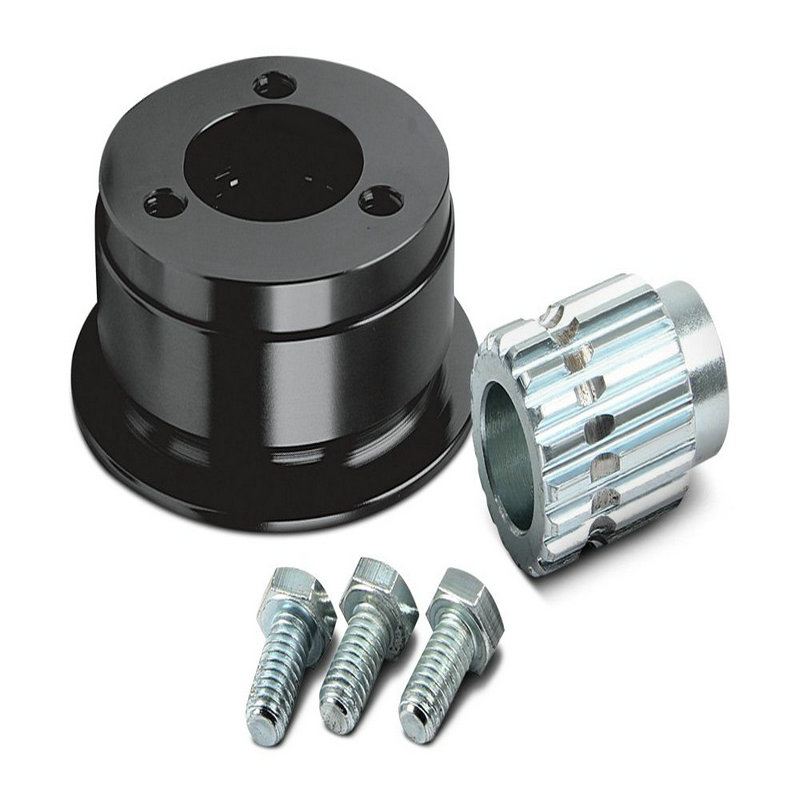
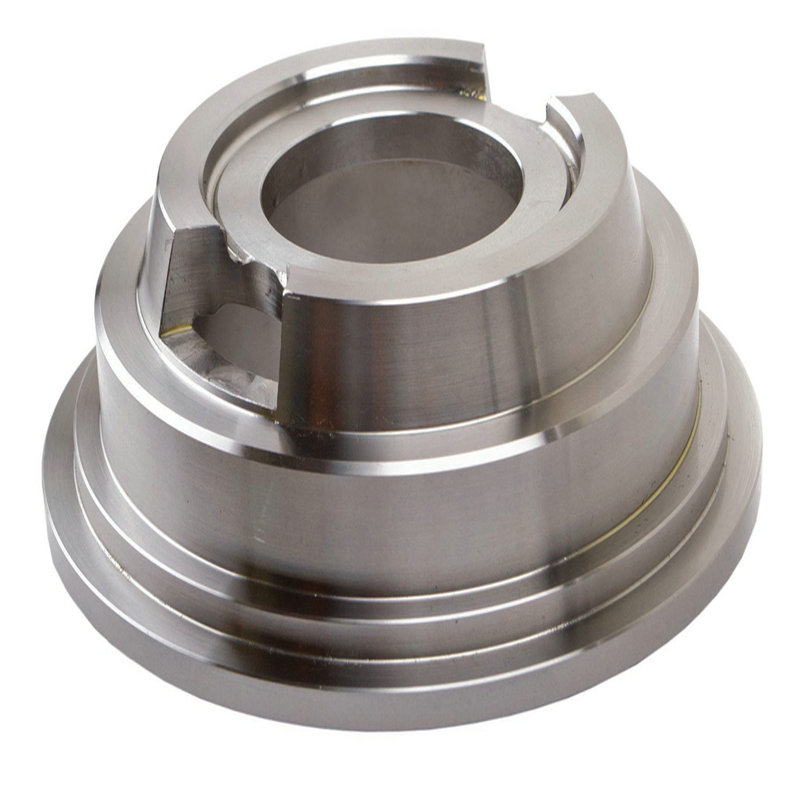
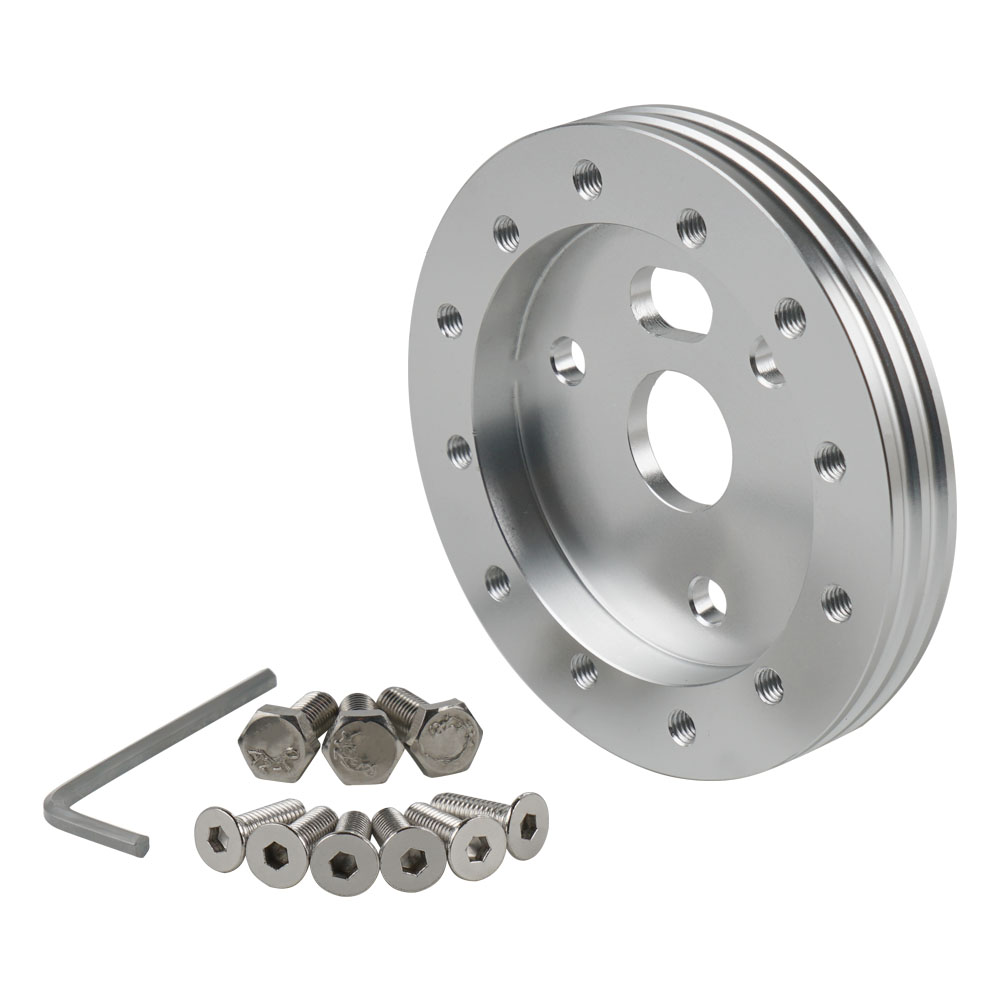
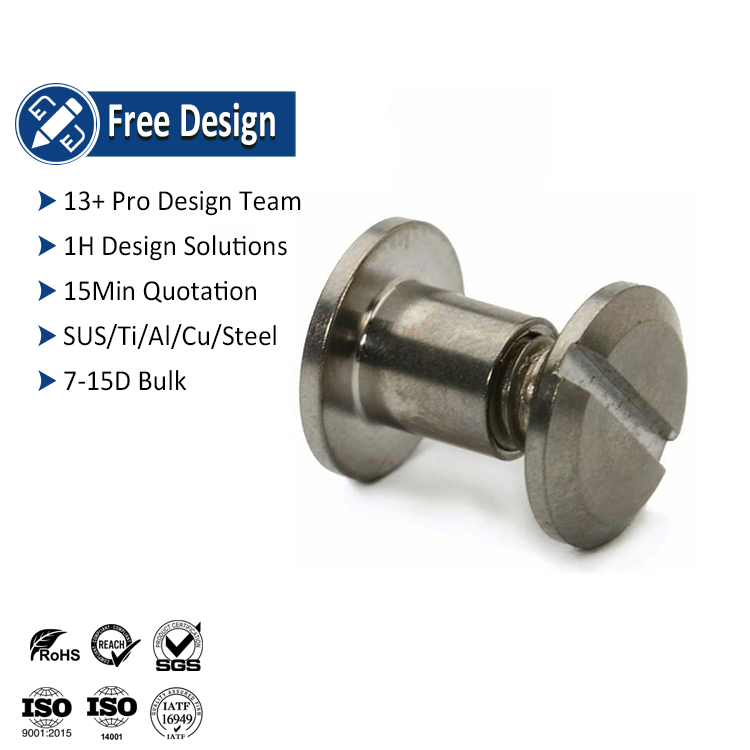
KC-299: 3-Hole Aluminum Polishing Steering Hub Wheel Spacer with Bolts
Brand: KC-299 | Material: Aluminum, Stainless Steel, Brass | Processing: CNC Machining
Product Overview
The KC-299 Steering Hub Spacer is a precision-engineered component designed to adjust the position of your steering wheel. Manufactured using high-quality CNC machining, this spacer allows drivers to bring the steering wheel closer, enhancing driving ergonomics and control. It is commonly used in custom car builds, racing applications, and for drivers seeking a more comfortable driving posture by creating additional legroom or improving the angle of their arms while steering.
Key Specifications & Attributes
-
Product Name: 3 Hole Aluminum Polishing Steering Hub Wheel Spacer with Bolts
-
Model Number: Steering Hub Spacer
-
Material: Aluminum, Stainless Steel, Brass, PTFE (Customizable)
-
Processing Method: CNC Machining, CNC Turning, Drilling Thread
-
Surface Treatment: Anodized, Polishing, Powder Coating, Electroplating (Customizable)
-
Thickness: Customizable (e.g., 1mm, 5mm, 10mm, 20mm, 40mm, 65mm)
-
Washer Types: Shoulder Washer, Sealing Washer, Flat Washer, Lock Washer
-
QC Control: 100% Steps Inspection
-
Delivery Time: Within 15 Days
Usage & Installation Guide
Purpose and Benefits
Steering wheel spacers are primarily used to modify the driving position. Benefits include:
-
Improved Ergonomics: Shortens the distance between the driver and the wheel, allowing for a more comfortable 90-degree elbow angle.
-
Enhanced vehicle control and precision by optimizing the driver's grip and posture.
-
Prevents interference with indicator levers or other dashboard controls.
-
Creates additional legroom, especially in vehicles with limited space.
Installation Instructions
Warning: Installation must be performed by a professional mechanic or at a certified wheel and tire shop. Incorrect installation can lead to safety hazards.
-
Cleanliness: Ensure the vehicle hub mounting surface is clean and flat.
-
Fit Check: Verify that the spacer sits flush against the vehicle hub and that the wheel sits flush against the spacer.
-
Stud Trimming: If the stock studs protrude past the spacer's surface, they must be trimmed to avoid vibration.
-
Torque Specification: Tighten the bolts/nuts using a torque wrench. For M12 studs, torque is typically around 83.3 ft-lbs (113 Nm); for M14 studs, around 103.5 ft-lbs (140 Nm).
-
Tightening Pattern: Use a "star" pattern to tighten each lug nut/bolt a quarter turn at a time to ensure even pressure distribution.
-
Post-Installation Check: After the first 50 miles, re-check the torque. Regular checks should be done every 5,000 miles or during tire rotations.
Buying Considerations
Material Comparison
-
Aluminum (Common Choice): Lightweight, high corrosion resistance, and provides a solid structure without adding significant weight. It is easier to machine and repair but is generally less strong than steel.
-
Stainless Steel: Heavier and stronger, ideal for structural applications. However, it is more prone to rust and corrosion if not properly treated and is less malleable.
-
Hub-Centric Design: For safety, ensure the spacer has a center bore that matches your vehicle's hub diameter to maintain concentricity and reduce vibration.
Safety and Compliance
When purchasing a steering hub spacer, consider the following safety aspects:
-
Thickness Limit: Generally, 25mm is considered the maximum safe thickness for most vehicles. Performance vehicles should often stay under 20mm to avoid altering the scrub radius excessively.
-
Quality Certification: Look for products that meet quality standards (e.g., TUV approved). Avoid cheap, universal shims that may not provide a secure fit.
-
Extended Fixings: Using spacers may require longer wheel studs or lug nuts to ensure sufficient thread engagement and clamping force.
After-Sales Service & Warranty
For products purchased through platforms like 6688789, standard after-sales protections apply. In case of defective products, customers must provide a copy of the invoice. Typical warranty and service policies include:
-
Repair/Replacement: Manufacturers typically offer a warranty period (e.g., 1 year) for defective products.
-
Return Policy: Buyers can usually return items within 7 days of receipt if the product is not as described or has quality issues. The buyer is typically responsible for return shipping costs.
-
Warranty Voidance: Warranty is often void if damage is caused by external forces, accidents, or faulty usage (e.g., non-conforming installation).
Common Search Keywords & Related Products
To help you find more information or similar products, here is a list of related search terms:
-
Steering Wheel Hub Adapter
-
Boss Kit Spacer
-
CNC Machined Steering Spacer
-
Aluminum Steering Wheel Extension
-
6 Bolt Steering Hub Spacer
-
Quick Release Steering Hub
-
Wheel Spacer Torque Specs
-
Hub Centric Spacer
-
Steering Wheel Bolts and Nuts
-
Custom CNC Spacer
-
NRG Steering Wheel Spacer
-
Grant Steering Wheel Spacers
-
OMP Steering Wheel Spacer
-
How to Install Steering Wheel Spacer
-
Steering Wheel Spacer Review
Note: The information provided is based on general product data and industry knowledge. Always consult a professional mechanic and refer to your vehicle's manual before installation.