Anionic Type Emulsion Polyacrylamide (PAM)
Brand: Diamond Chem
Supplier: Jinan Diamond Chemical Co., Ltd.
Basic Information
|
CAS No.
|
9003-05-8
|
|
EINECS No.
|
201-173-7
|
|
Molecular Formula
|
(C3H5NO)n
|
|
Appearance
|
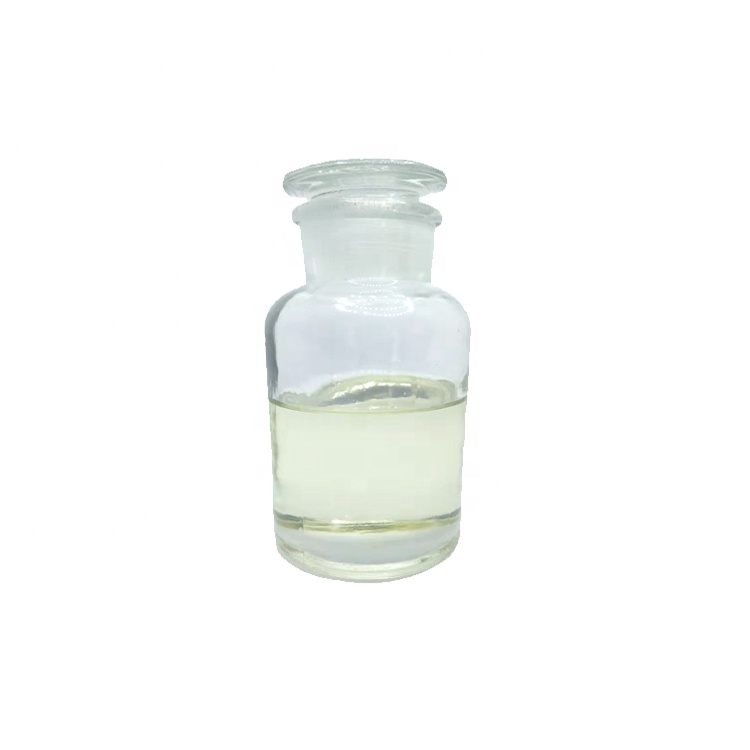
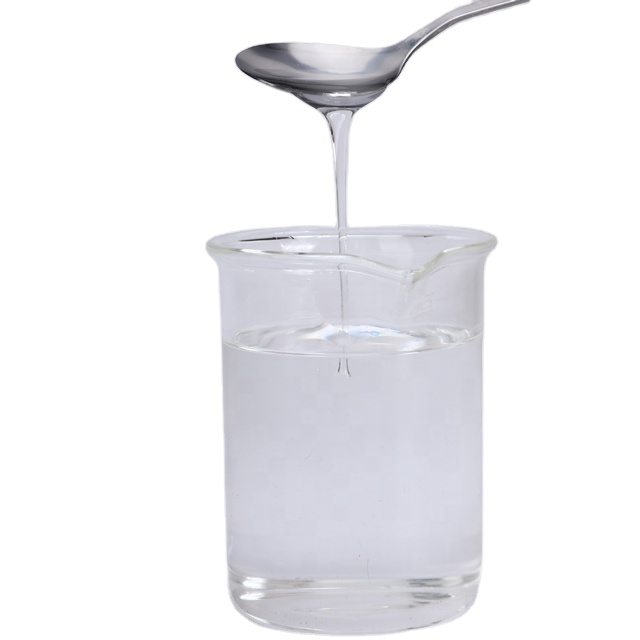
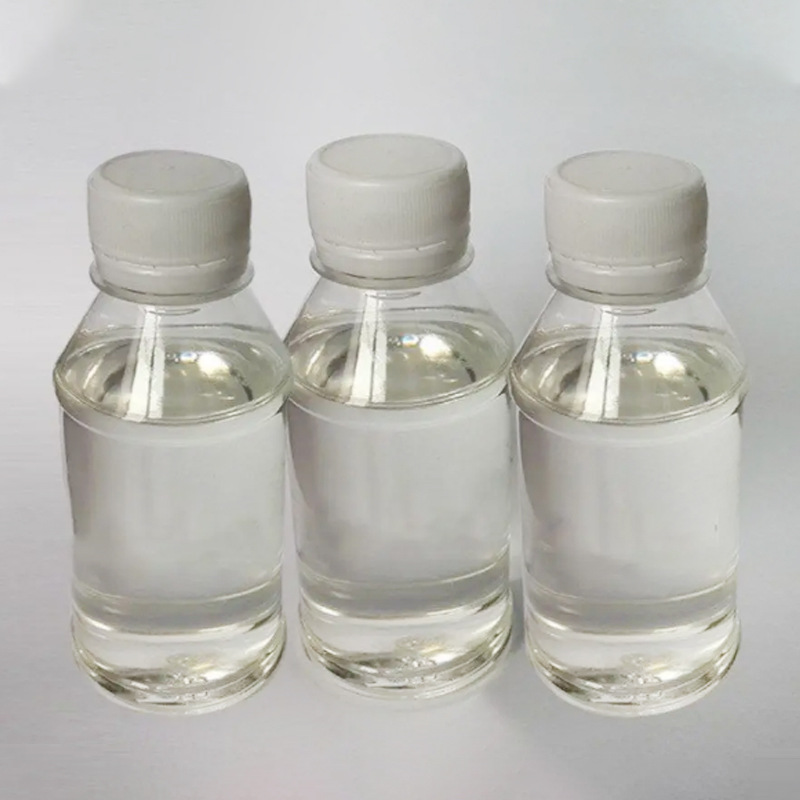
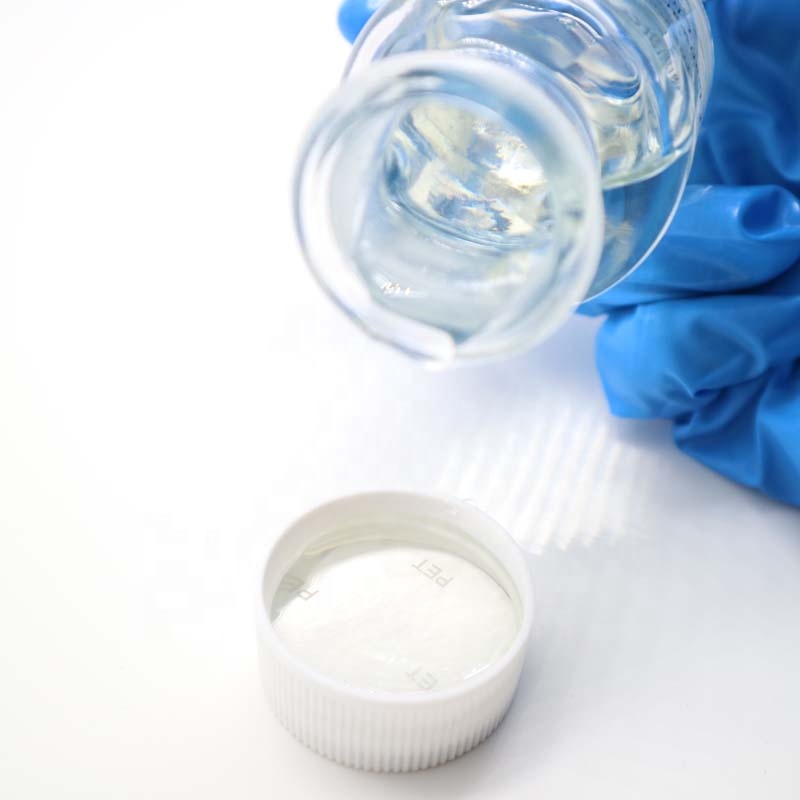
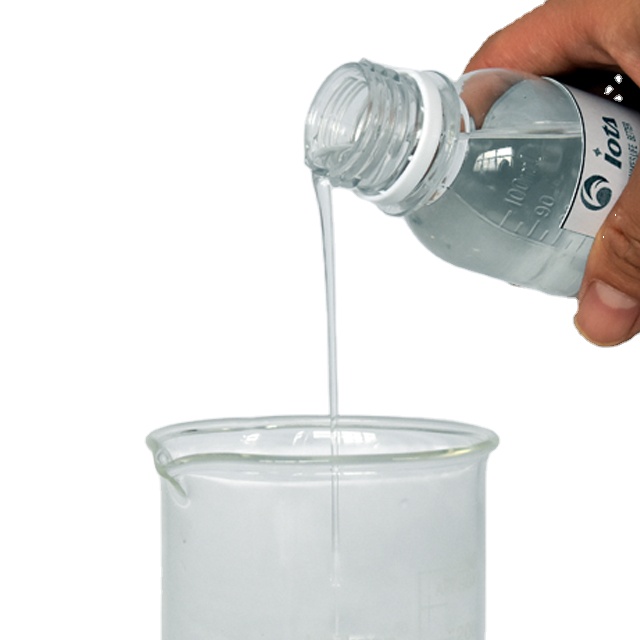
White Emulsion
|
|
Purity
|
100%
|
|
Place of Origin
|
Shandong, China
|
|
Certification
|
ISO9001
|
Product Description
Anionic Type Emulsion Polyacrylamide (PAM) is a high-molecular-weight polymer supplied as a liquid emulsion. It is widely used as a flocculant in various industries due to its excellent ability to clarify water and separate solids from liquids. Its key advantages include rapid dissolution, high efficiency, and ease of handling compared to powder forms .
Key Attributes
-
Type: Anionic
-
Classification: Chemical Auxiliary Agent
-
Molecular Weight: High
-
Charge Degree: Medium
-
Sample: Available
-
Dosage: 0.1% - 0.4%
Applications & Usage
Water Treatment
Used as a flocculant in municipal sewage treatment, industrial effluent treatment, and drinking water purification. It effectively aggregates suspended particles for easy removal, reducing water turbidity .
Petroleum Industry
Applied in enhanced oil recovery (EOR) as a viscosity control agent and in drilling fluids to reduce water loss and improve drilling efficiency .
Paper Industry
Serves as a retention aid and drainage aid in the papermaking process, improving pulp quality and paper strength .
Textile Industry
Used as a sizing agent and finishing agent to improve fabric quality and handle .
Mining & Mineral Processing
Acts as a flocculant in mineral processing to separate valuable minerals from ore and in treating mining wastewater .
Usage Instructions
-
Dilution: Add the product slowly into clean water while stirring. Recommended dilution concentration is 0.1% to 0.5% .
-
Dissolution: Stir for 30-40 minutes until completely dissolved. Avoid high-speed stirring that may break the molecular chain .
-
Dosing: Add the diluted solution to the wastewater system. When used with inorganic coagulants (e.g., PAC), add the coagulant first, wait for flocs to form (30-60 seconds), then add PAM .
-
Equipment: Use low-shear pumps (e.g., diaphragm pumps, screw pumps) for transfer. Dissolution should be done in plastic, ceramic, or stainless steel tanks .
Purchase & Logistics
Supplier Profile
Jinan Diamond Chemical Co., Ltd. is a specialized chemical supplier with over 1 year of experience, located in Shandong, China. The company holds an ISO9001 certification, ensuring quality management standards.
Store Rating: 4.9 (Based on 176 reviews)
Ordering Process
-
Inquiry: Contact the supplier for a quote, mentioning required specifications and quantity.
-
Sample Request: Samples are available for quality testing before bulk orders.
-
Negotiation: Discuss price (e.g., $850 - $1,160 per metric ton for similar products ), payment terms, and lead time.
-
Contract & Payment: Sign a purchase contract and proceed with payment. ajfpt.com offers order protection and safe payment options.
-
Production & Inspection: For large orders, consider production monitoring and third-party inspection services.
-
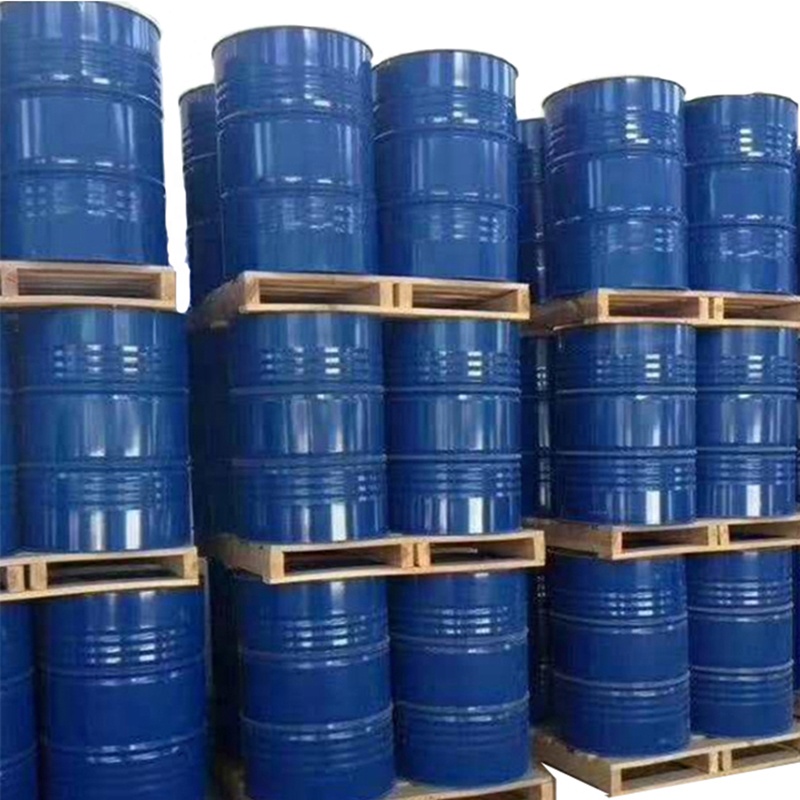
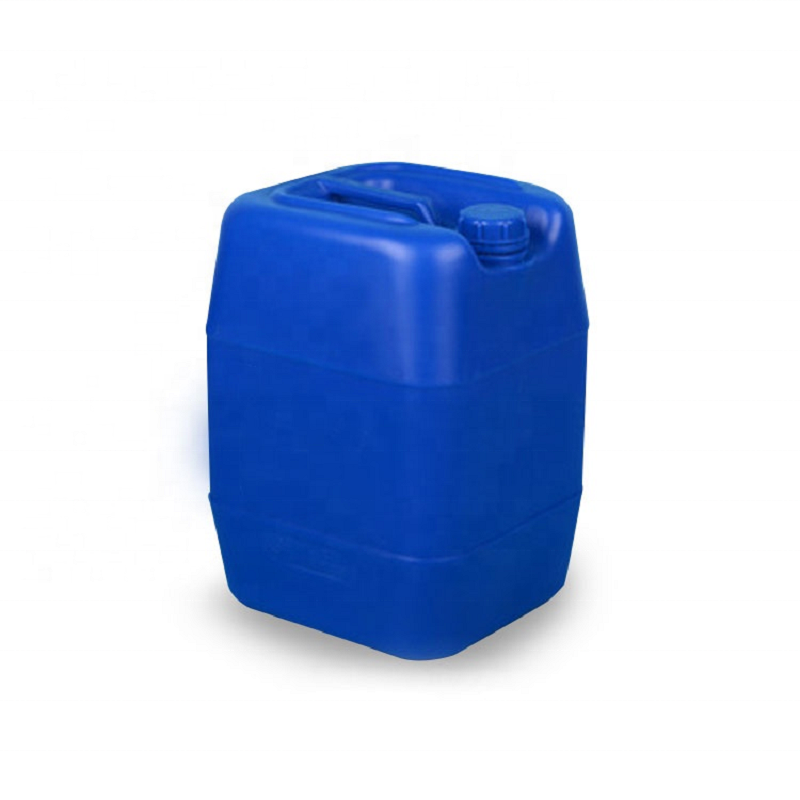
Shipping: The supplier can arrange shipping. Common packaging includes 25kg, 200kg plastic drums, or ton bins .
After-Sales & Support
Technical Support
The supplier provides technical support regarding product application, dosage optimization, and troubleshooting for specific water conditions.
Dispute Resolution
ajfpt.com's platform offers dispute resolution services if there are issues with product quality, delivery, or other transaction problems.
Logistics & Tracking
Buyers can track their orders through the platform and communicate with the supplier for logistics updates.
Safety & Storage
Safety Data Sheet (SDS)
Request the Material Safety Data Sheet (MSDS) from the supplier before handling. General precautions include:
-
Wearing protective gloves and goggles.
-
Washing skin thoroughly with water after contact.
-
Avoiding inhalation of mist or dust.
Storage Conditions
-
Temperature: Store at 10°C - 27°C (50°F - 80°F). Avoid freezing .
-
Environment: Keep in a cool, dry, and well-ventilated place, away from direct sunlight.
-
Shelf Life: Typically 6 months in a sealed container .
-
Handling: For large containers, regular stirring or circulation is recommended to prevent stratification .
Frequently Asked Questions (FAQ)
Q1: What is the difference between anionic, cationic, and non-ionic PAM?
A: The ionic type determines the charge of the polymer. Anionic PAM has a negative charge and is best for treating wastewater with positively charged particles (e.g., metal hydroxides). Cationic PAM has a positive charge and is effective for organic sludges and negatively charged particles. Non-ionic PAM has no charge and works well in acidic conditions or with non-polar particles.
Q2: Why is my PAM solution not effective?
A: Common reasons include incorrect dilution or stirring, overdosing or underdosing, incompatible water pH, or the presence of substances that interfere with flocculation. A jar test is recommended to determine the optimal dosage and conditions.
Q3: Can I use this product for drinking water treatment?
A: Yes, but only specific grades of PAM that meet national drinking water standards (e.g., NSF/ANSI Standard 60) should be used. Confirm with the supplier if the product is certified for potable water applications .
Common Search Keywords
To find more information about this product and its alternatives, you can search using the following keywords:
-
Polyacrylamide Emulsion Flocculant
-
Anionic PAM Price
-
Water Treatment Chemicals
-
PAM CAS 9003-05-8
-
Sewage Sludge Dewatering Agent
-
Oilfield Drilling Additive
-
Paper Retention Aid
-
Textile Sizing Agent
-
Polyacrylamide Liquid vs Powder
-
Jinan Diamond Chemical
© 2026 Product Information Page. This information is based on supplier data and publicly available sources.