Smart Temperature Control: A Deep Dive into Smart Cup Holders & Smart Thermos Flasks
Your comprehensive guide to the technology, usage, and purchasing decisions for intelligent beverage containers.
Core Technology: How Smart Temperature Control Works
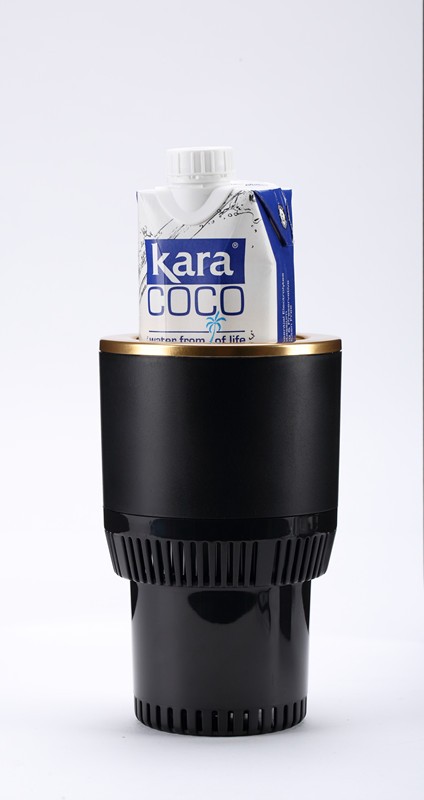
For Smart Cup Holders (Car & Desktop)
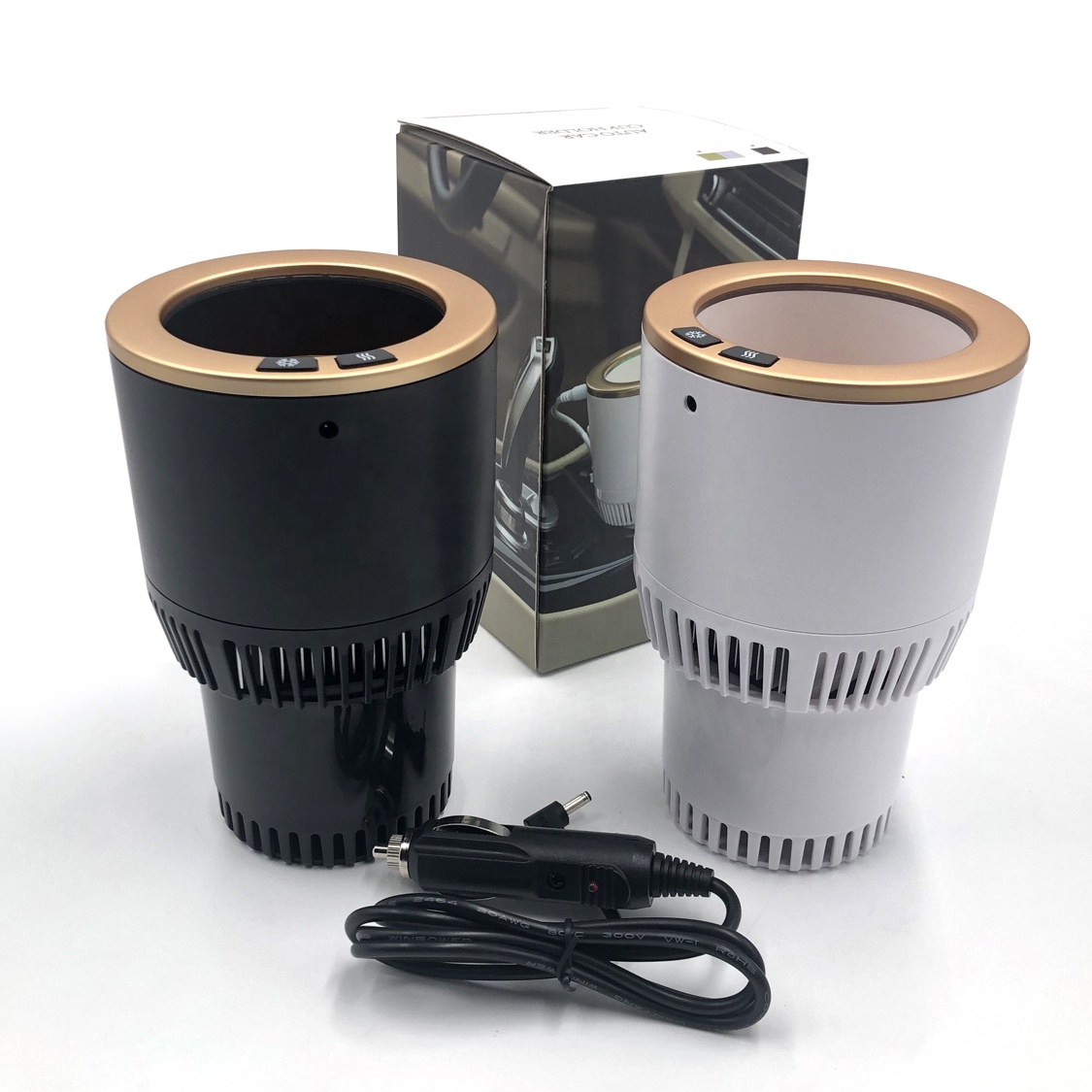
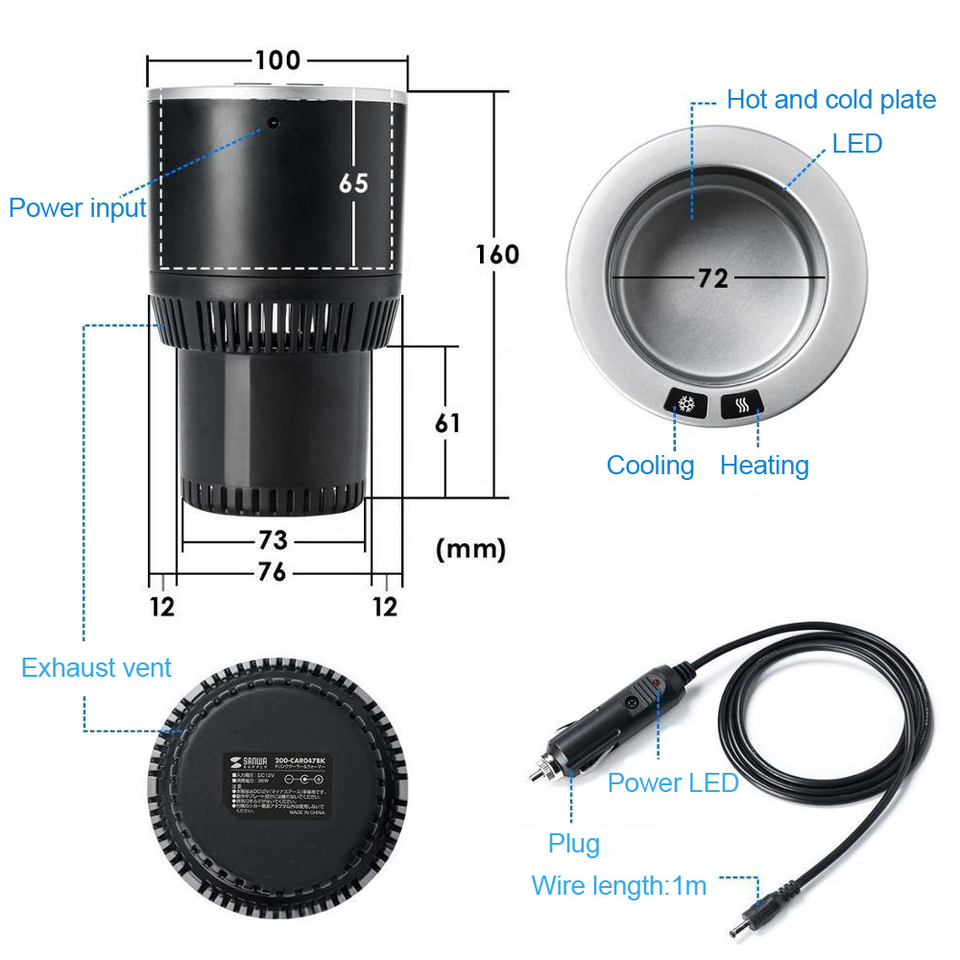
These devices primarily utilize the Peltier Effect (Thermoelectric Cooling). A Peltier device, when supplied with direct current (DC) power, creates a temperature difference by transferring heat from one side to the other. Reversing the polarity switches between heating and cooling modes. This solid-state technology allows for rapid temperature adjustment without compressors or refrigerants, making it ideal for portable 12V car power systems with a typical power rating of 36W.
For Smart Thermos Flasks (App-Connected)
Advanced smart cups integrate a Microcontroller Unit (MCU) like STM32. The system includes:
Temperature Sensors: High-precision sensors (e.g., DS18B20) monitor liquid temperature in real-time.
Heating/Cooling Modules: PTC ceramic heaters or semiconductor chips adjust the temperature based on MCU commands.
User Interface: LCD/LED displays, touch controls, and Bluetooth/NFC connectivity for smartphone app integration (e.g., Huawei Hilink, proprietary apps).
Power Management: Built-in rechargeable batteries (e.g., 250mAh-500mAh) and power management circuits for safety and efficiency.
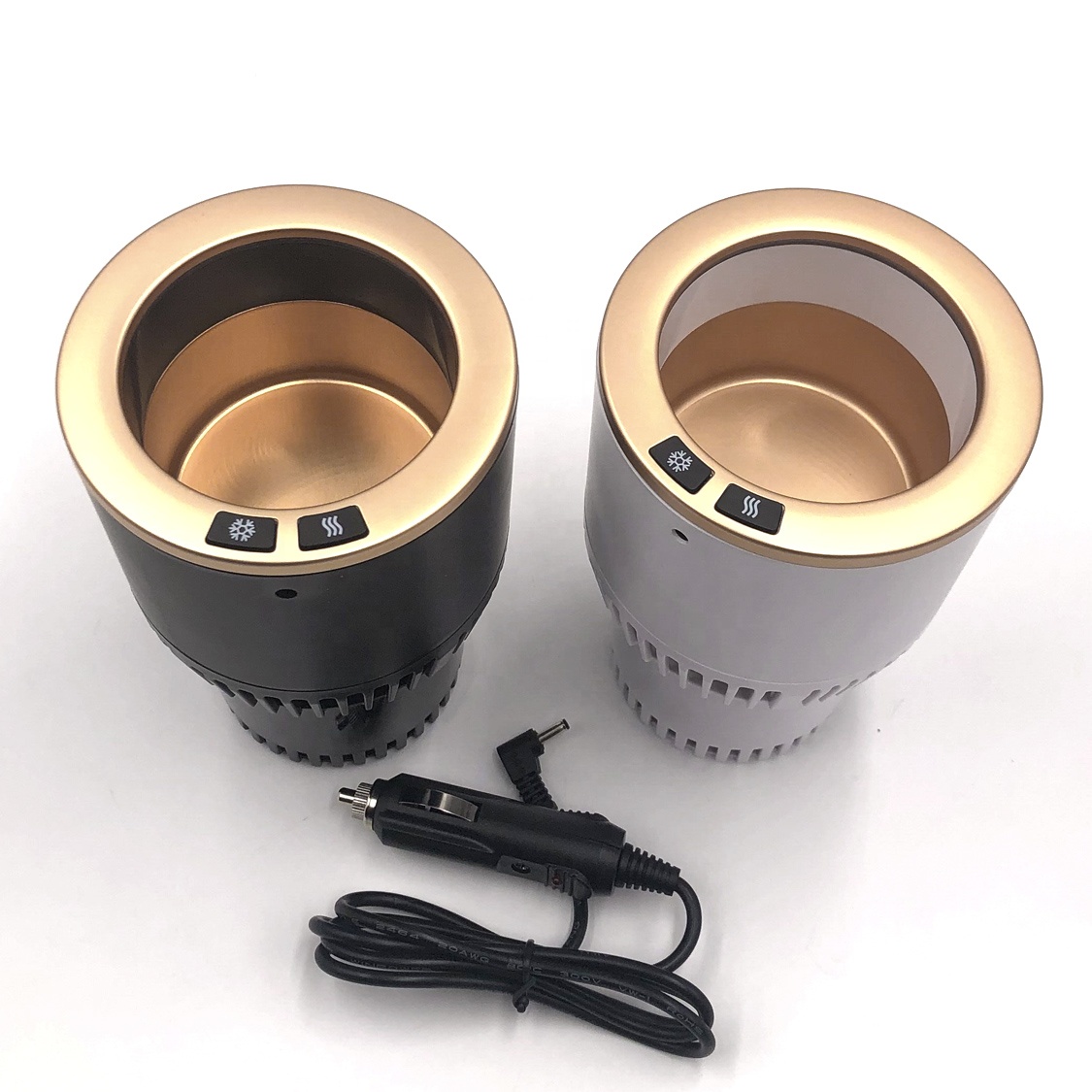
Key Features: Digital temperature display, touch control, one-button switching between heating (red light) and cooling (blue light), universal design to fit most cup holders, powered by car cigarette lighter socket (12V DC).
Key Features: Real-time temperature display on cup lid or phone app, water intake tracking, hydration reminders, personalized temperature settings (e.g., 55°C for coffee), TDS water quality detection (in some premium models), and long-lasting vacuum insulation.
Usage, Charging & Maintenance Guide
Operation Instructions
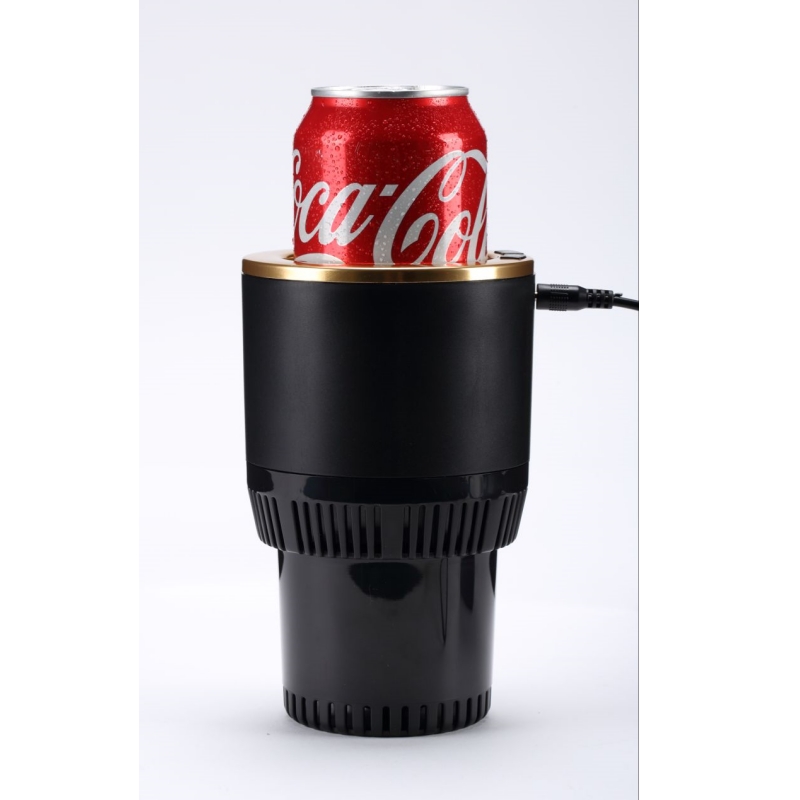
For Car Cup Holders: Plug into the 12V socket, place your drink, select heating or cooling mode, and monitor the temperature via the digital screen.
For Smart Thermos: Charge the cup via USB-C or magnetic charging port, download the companion app, pair via Bluetooth/NFC, and set your preferred temperature and hydration goals.
Cleaning & Care
Cleaning: Hand wash the cup body with mild detergent. Avoid submerging the electronic cup cover in water. Most smart lids are rated IPX7 for water resistance but should not be cleaned in a dishwasher.
Charging: Use a standard 5V/500mA adapter. Overcharging can damage the battery. A full charge typically provides several days of standby time.
Precautions: Do not store carbonated beverages or dry ice. Avoid strong impacts to prevent damage to internal sensors and circuits.
Buying Guide: What to Consider
Price Range
Smart Car Cup Holders: $12 - $25 (wholesale), $30 - $60 (retail).
Smart Thermos Flasks: $40 - $120, depending on brand, material (304 vs 316 stainless steel), and features (e.g., UV sterilization, TDS detection).
Key Selection Criteria
Temperature Range: Check both heating and cooling limits.
Battery Life: Look for models with at least 5-7 days of normal use on a single charge.
Material Safety: Ensure food-grade 304 or 316 stainless steel interior for health safety.
App Ecosystem: Check compatibility with your phone's operating system (iOS/Android).
Brand Reputation: Established brands like Thermos, Philips, Huawei Hilink (manufactured by Haers or Thermos), and Paliter offer better quality control and after-sales service.
User Reviews & Common Insights
Pros (Advantages)
Convenience: No more lukewarm drinks; perfect temperature on demand.
Health Tracking: Hydration reminders help users meet daily water intake goals.
Tech Appeal: Sleek design with LED displays and app connectivity is highly attractive to tech-savvy consumers.
Versatility: Suitable for hot beverages (coffee, tea) and cold drinks (water, juice).
Cons (Challenges & Shortcomings)
Durability Concerns: Electronic components are more prone to failure than traditional thermos flasks. Waterproofing is critical.
Battery Dependency: Forgetting to charge renders smart features useless.
Insulation Trade-off: Some smart cups may have slightly less insulation performance than high-end traditional vacuum flasks due to the space occupied by electronics.
Higher Cost: Significantly more expensive than regular travel mugs.
After-Sales Service & Warranty Policies
Warranty policies vary by brand and seller. Here are common standards:
Return Policy: Most offer a 7-day no-reason return policy and 15-day quality-related replacement.
Warranty Period: Typically 1-2 years. Cup body may have a longer warranty (e.g., 2 years) than the electronic lid (e.g., 1 year).
Service Channels: Brands like Thermos and Haers provide official hotlines and WeChat public account support. Repairs are usually handled via mail-in (寄修) service.
Common Exclusions: Physical damage, water damage due to improper use, and battery wear are often not covered under warranty.