Ultimate Guide to Industrial Heavy Duty Caster Wheels
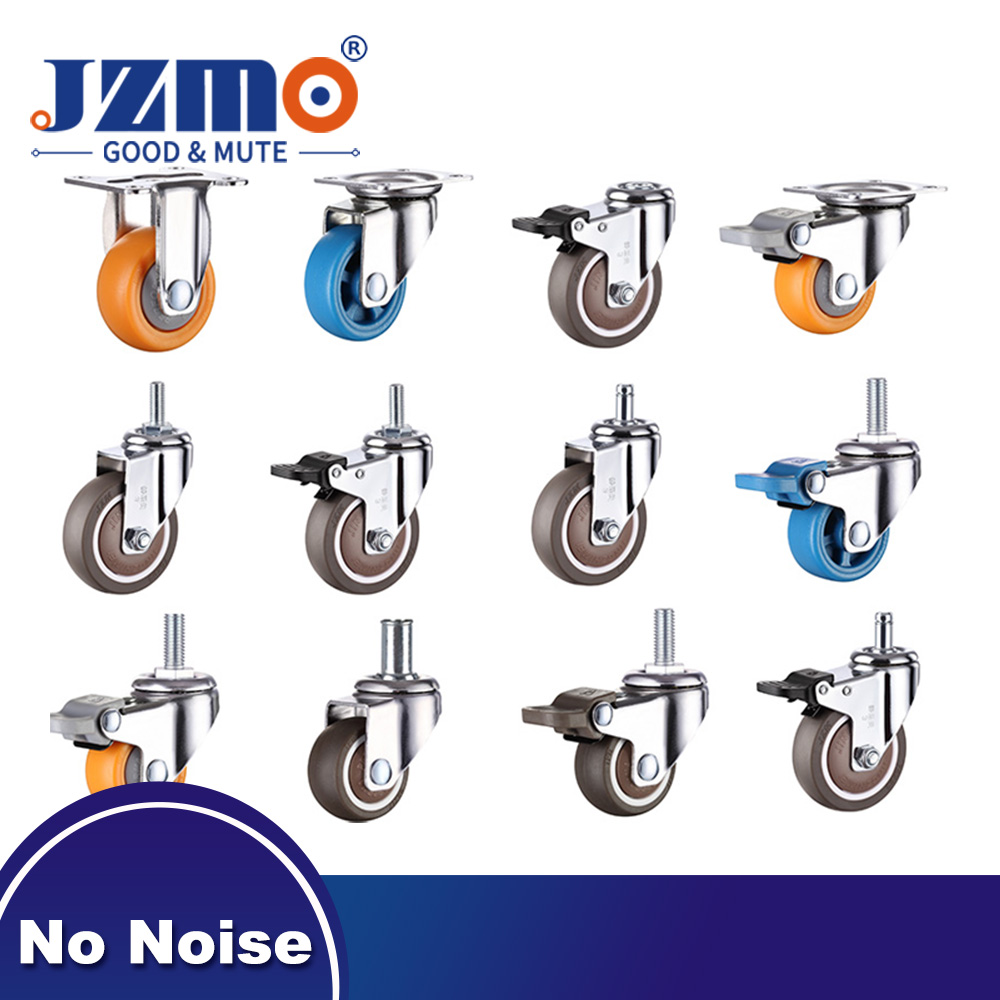
Brand: JZM | Model: 01-ZC-033 | Sizes: 2 inch, 3 inch (50mm, 75mm) | Material: Polyurethane, Nylon, Iron
What is a Heavy Duty Caster Wheel?
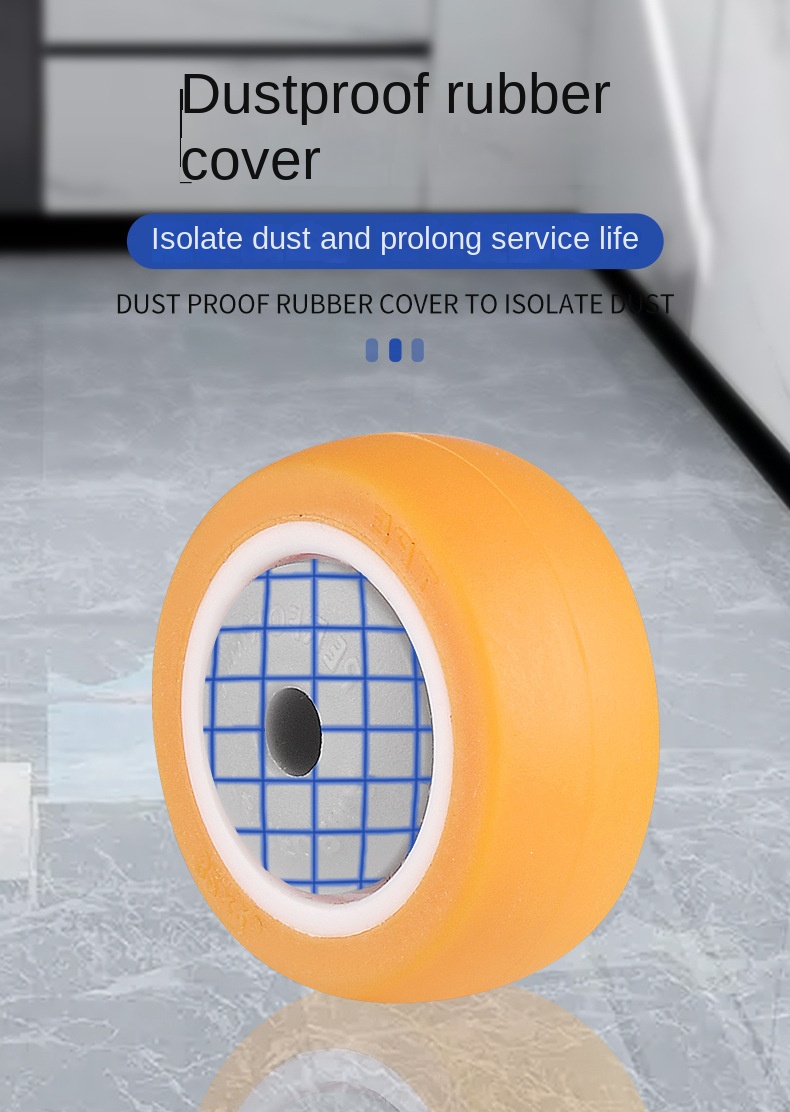
Heavy duty caster wheels are specialized mobility components designed to carry substantial loads in industrial, commercial, and institutional environments. They are the unsung heroes of material handling, enabling the smooth and efficient movement of carts, racks, machinery, and equipment across diverse floor conditions.
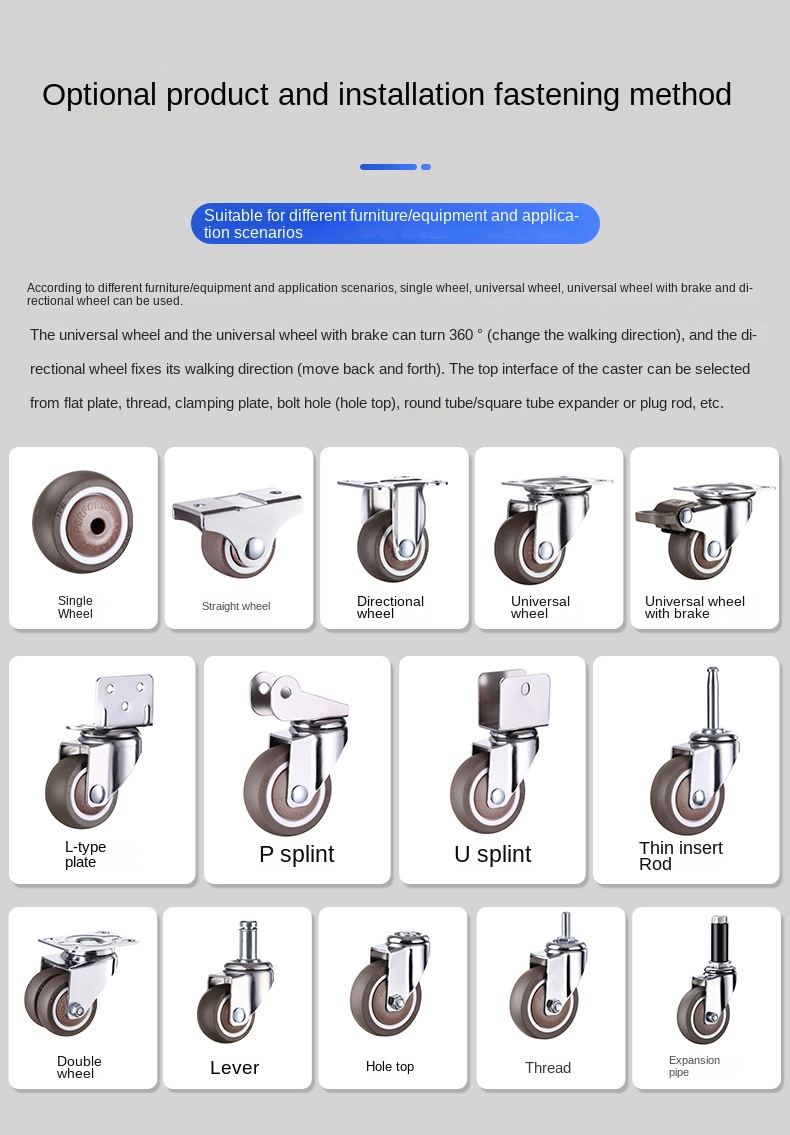
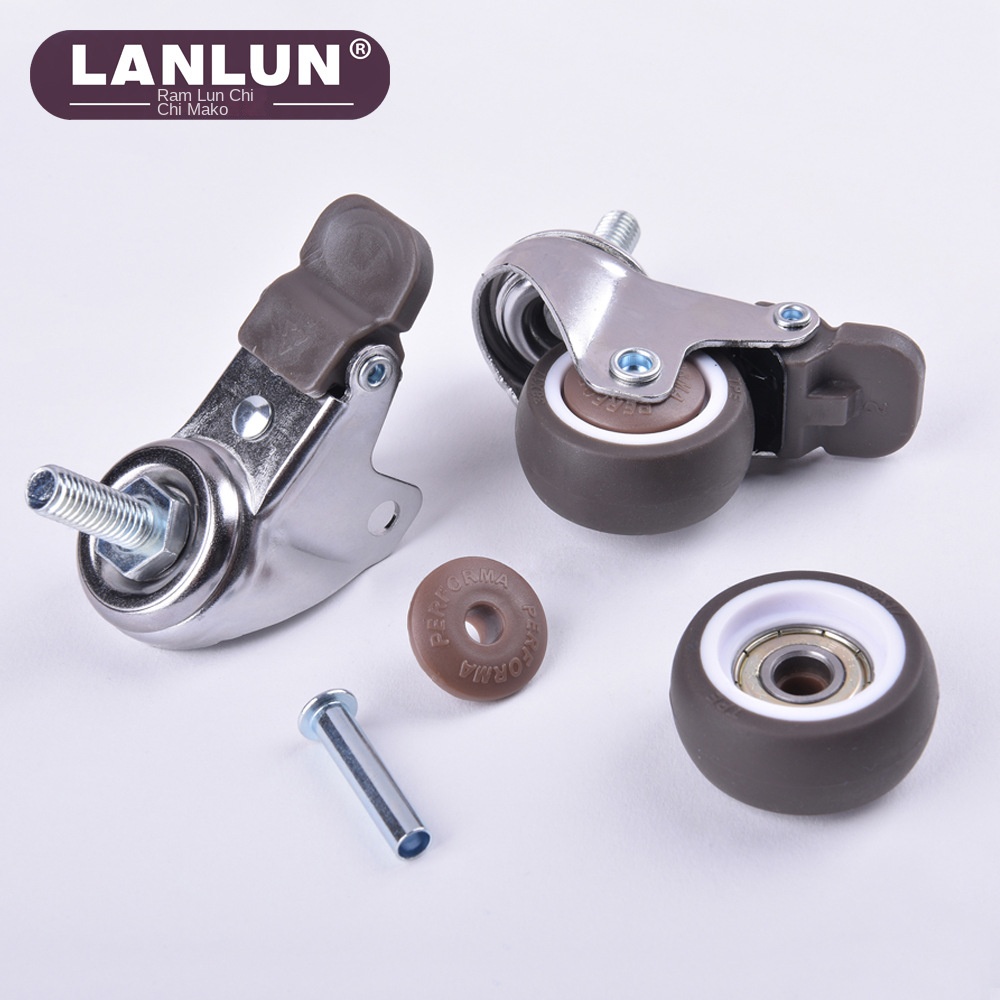
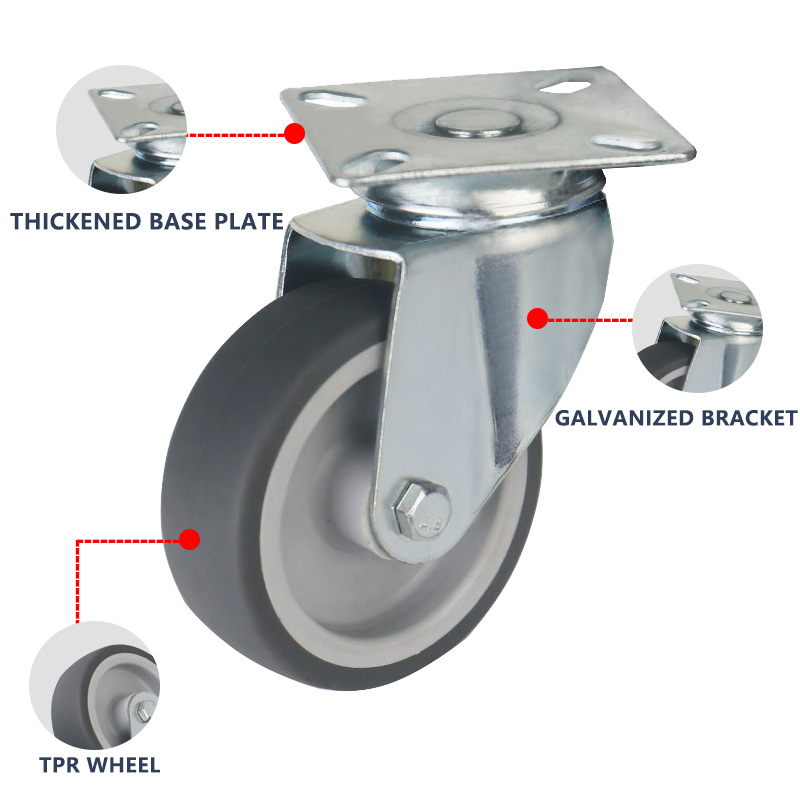
A typical caster consists of a wheel mounted to a fork, which may be fixed (rigid) or attached via a swivel joint that allows 360-degree rotation for superior maneuverability. The JZM brand casters featured here are engineered for durability and performance in demanding settings such as warehouses, manufacturing plants, and medical facilities.
Technical Specifications & Features
JZM Heavy Duty Caster Wheel (Model: 01-ZC-033) Key Attributes
Feature
Details
Wheel Diameter
2 inch (50mm), 3 inch (75mm) and other customizable sizes.
Warehousing & Logistics, Heavy Industry, Medical & Healthcare, Construction, Automotive.
How to Choose the Right Caster Wheel: A Buying Guide
1. Determine Your Load Capacity
Calculate the total weight to be moved (including the cart or equipment itself). For safety, add a 33% margin to account for uneven weight distribution and dynamic forces. Divide this total by the number of casters to find the minimum load capacity required per wheel.
2. Select the Appropriate Wheel Material
Polyurethane (PU): Offers excellent floor protection, quiet operation, and good resistance to oils and chemicals. Ideal for hospitals, food processing, and warehouses with finished floors.
Nylon: Extremely durable and resistant to abrasion, chemicals, and high temperatures. Best for rough industrial floors and heavy loads.
Cast Iron: The strongest option for extreme loads and harsh environments, but can be noisy and may damage soft floors.
Rubber: Provides superior shock absorption and a smooth ride but may wear faster and leave marks on some floors.
3. Consider Floor Conditions and Environment
Softer wheels (like rubber and soft polyurethane) are better for uneven or sensitive floors. Harder wheels (nylon, iron) are suited for concrete and rough surfaces. For wet or corrosive environments, choose sealed bearings and corrosion-resistant materials like stainless steel or specific polymers.
4. Decide Between Swivel and Rigid Casters
Use swivel casters for applications requiring high maneuverability and tight turns. Rigid (fixed) casters provide better straight-line stability and are often used in combination with swivel casters (e.g., two rigid, two swivel).
Installation, Maintenance & Troubleshooting
Installation Steps
Prepare the Surface: Ensure the mounting area on your equipment is clean, flat, and structurally sound.
Mark the Holes: Position the caster's top plate and mark the drilling points. Standard bolt patterns are common.
Drill Mounting Holes: Use a drill bit matching the specified hole diameter (e.g., 6mm, 6.3mm).
Secure the Caster: Attach the caster using appropriate bolts, nuts, and washers. Tighten securely with a torque wrench if specified.
Test Operation: Check for smooth rolling and swiveling before loading.
Maintenance Best Practices
To extend the life of your caster wheels:
Regular Cleaning: Remove dirt, debris, and hair that can clog bearings.
Lubrication: Periodically lubricate the swivel mechanism and axle with a suitable grease or oil, unless bearings are sealed and maintenance-free.
Inspection: Regularly check for signs of wear, cracks in the wheel, or loose mounting hardware.
Troubleshooting Common Issues
Wheel Not Rolling Smoothly: Check for debris, damaged bearings, or an overtightened axle nut.
Swivel is Stiff: Lubricate the swivel raceway or kingpin. Check for damage or misalignment.
Excessive Noise: This may indicate dry bearings or a wheel material incompatible with the floor surface.
Industry Applications & Use Cases
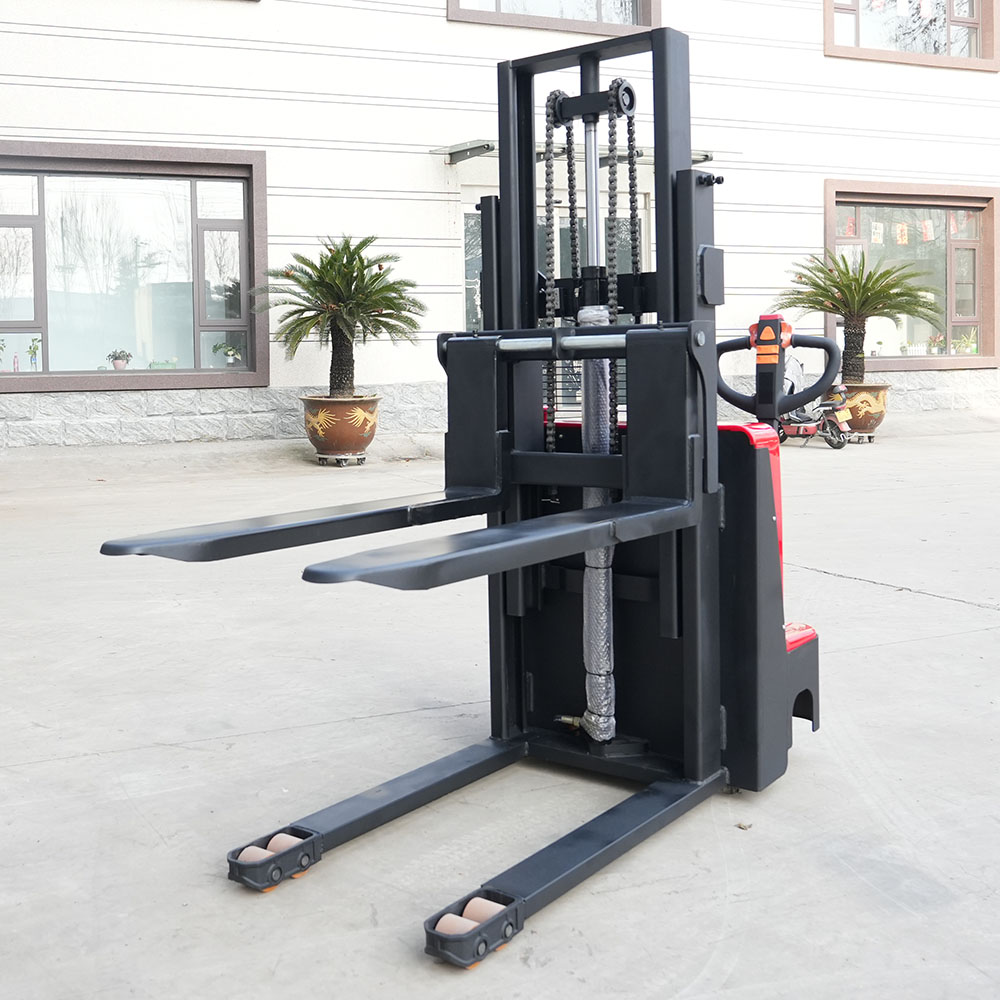
Warehousing & Logistics: Used on hand trucks, pallet jacks, and storage racks for moving heavy inventory.
Manufacturing: Essential for assembly line carts, machinery movers, and maintenance trollies.
Medical & Healthcare: Found on hospital beds, medication carts, and mobile medical equipment, requiring quiet, non-marking operation.
Food & Beverage: Stainless steel or polyurethane casters are used in processing plants for their corrosion resistance and easy cleaning.
Automotive Workshops: Heavy-duty casters support tool chests, engine stands, and vehicle moving dollies.
Frequently Asked Questions & Common Search Terms
FAQ
Q: What's the difference between a caster and a wheel? A: A "wheel" is just the round part. A "caster" is the entire assembly, which includes the wheel, fork, and (if applicable) the swivel mechanism that allows it to turn.
Q: Are these casters suitable for outdoor use? A: While durable, standard industrial casters are best for indoor use. For outdoor or rough terrain, consider pneumatic (air-filled) wheels or all-terrain models with larger diameters.
Popular Search Keywords
Heavy Duty Swivel Caster with Brake
2 inch Polyurethane Caster Wheel
Industrial Casters and Wheels
High Temperature Caster Wheels
Non-Marking Floor Protection Casters
JZM Caster Wheel Replacement
50mm Nylon Wheel Load Capacity
Best Caster for Concrete Floor
Heavy Duty Casters 1000 lb Capacity
Caster Wheel Manufacturers
Disclaimer: This is an informational guide. Always consult the manufacturer's specifications and a professional for specific application requirements.